Grids, Systems, & Survival
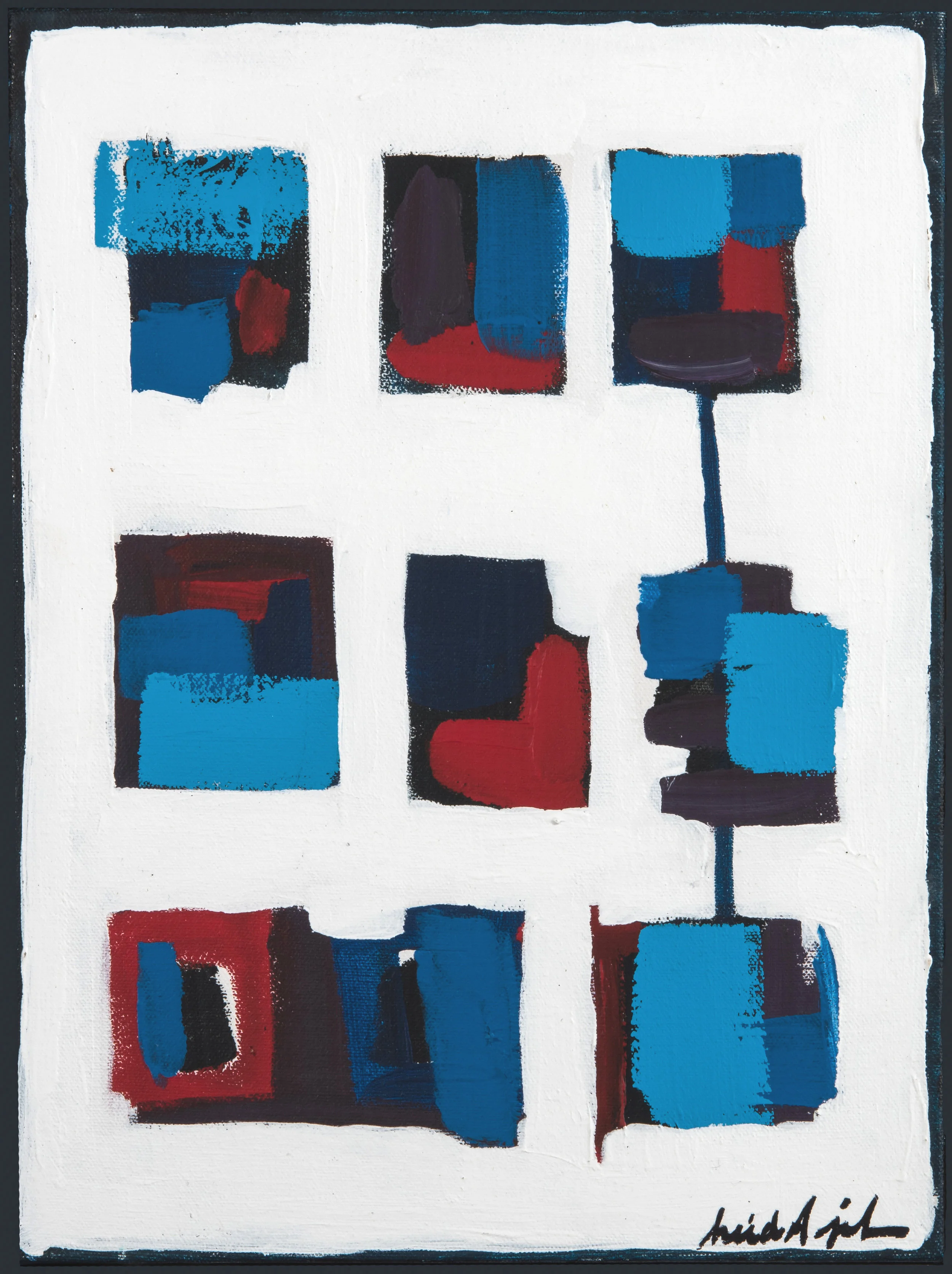
For over twenty years, Heidi Jeub has been painting grids. Not as minimalist exercise, but as a way to understand the invisible systems that shape our lives—who thrives, who adapts, who gets left behind.
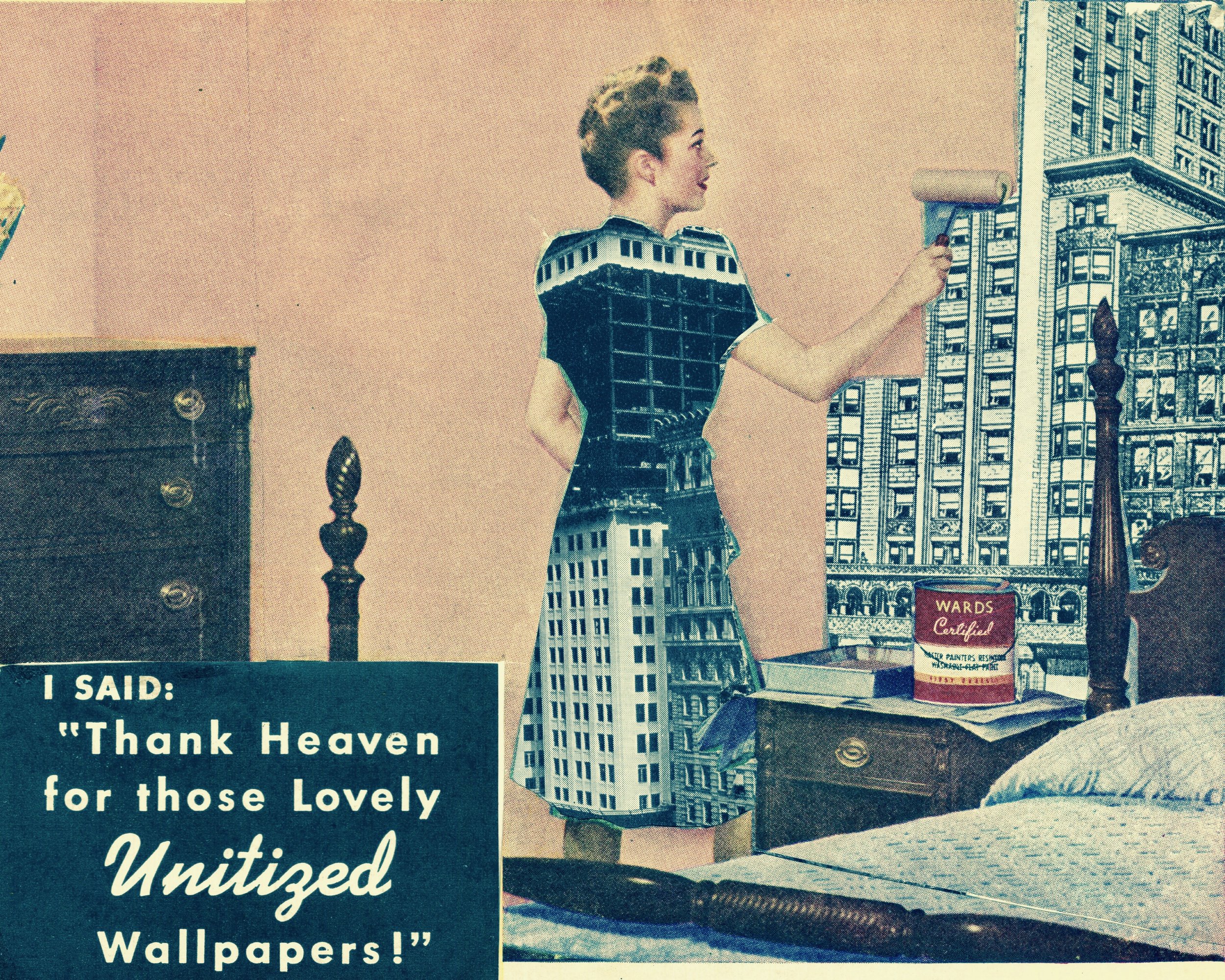
Jeub works in abstraction, but her paintings are never just formal explorations. Each series investigates a specific cultural problem: rural depopulation and urban bias (Rural Flight, 2019-2020), architectural exclusion and gender (Hidden Architects, 2016), pandemic isolation (Far Away / So Close, 2020), urban adaptation (Pigeons, 2017-2018), social infrastructure (Nexus, 2016). She uses color, gesture, and composition to translate complex ideas into visual language that works on both intellectual and emotional levels.
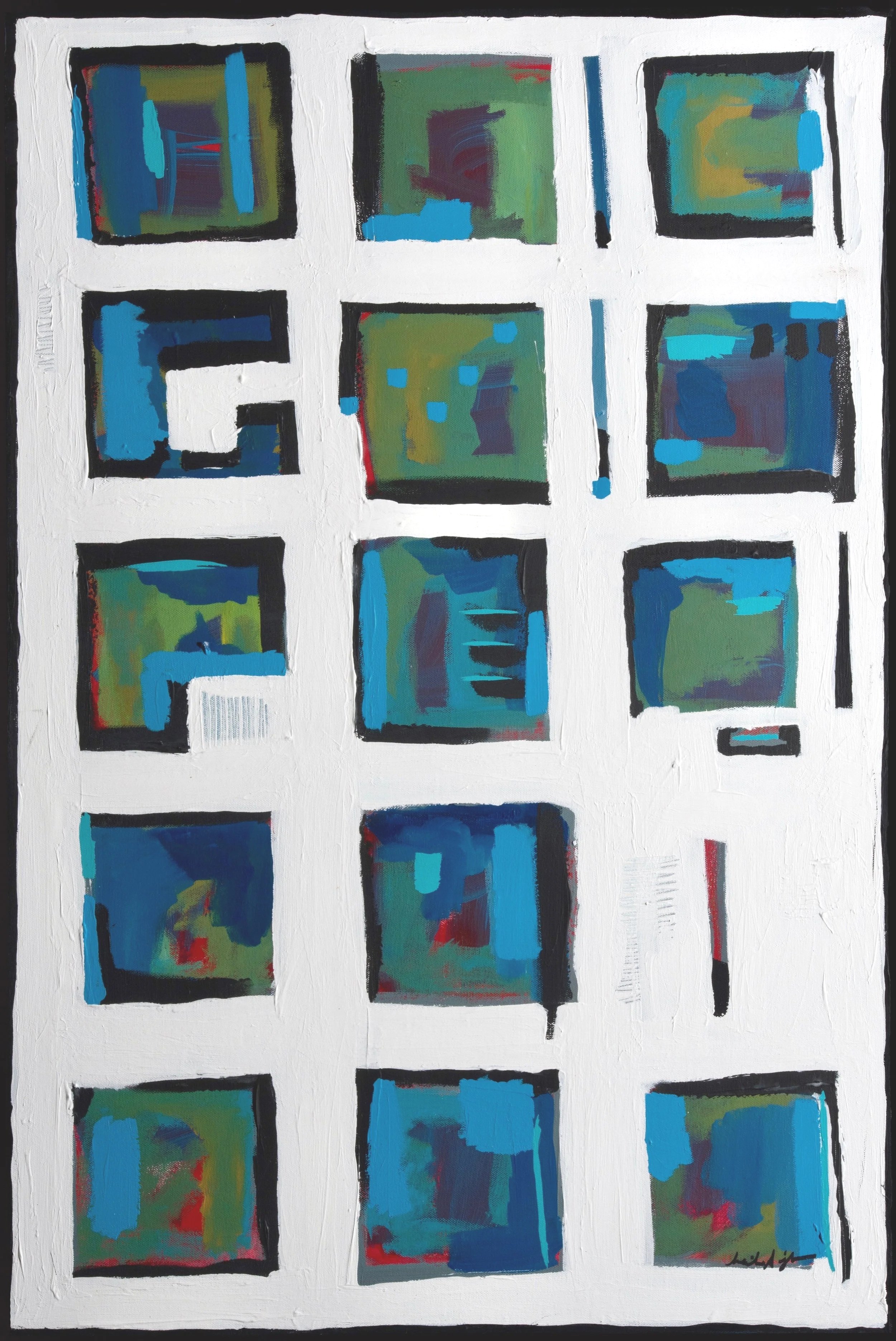
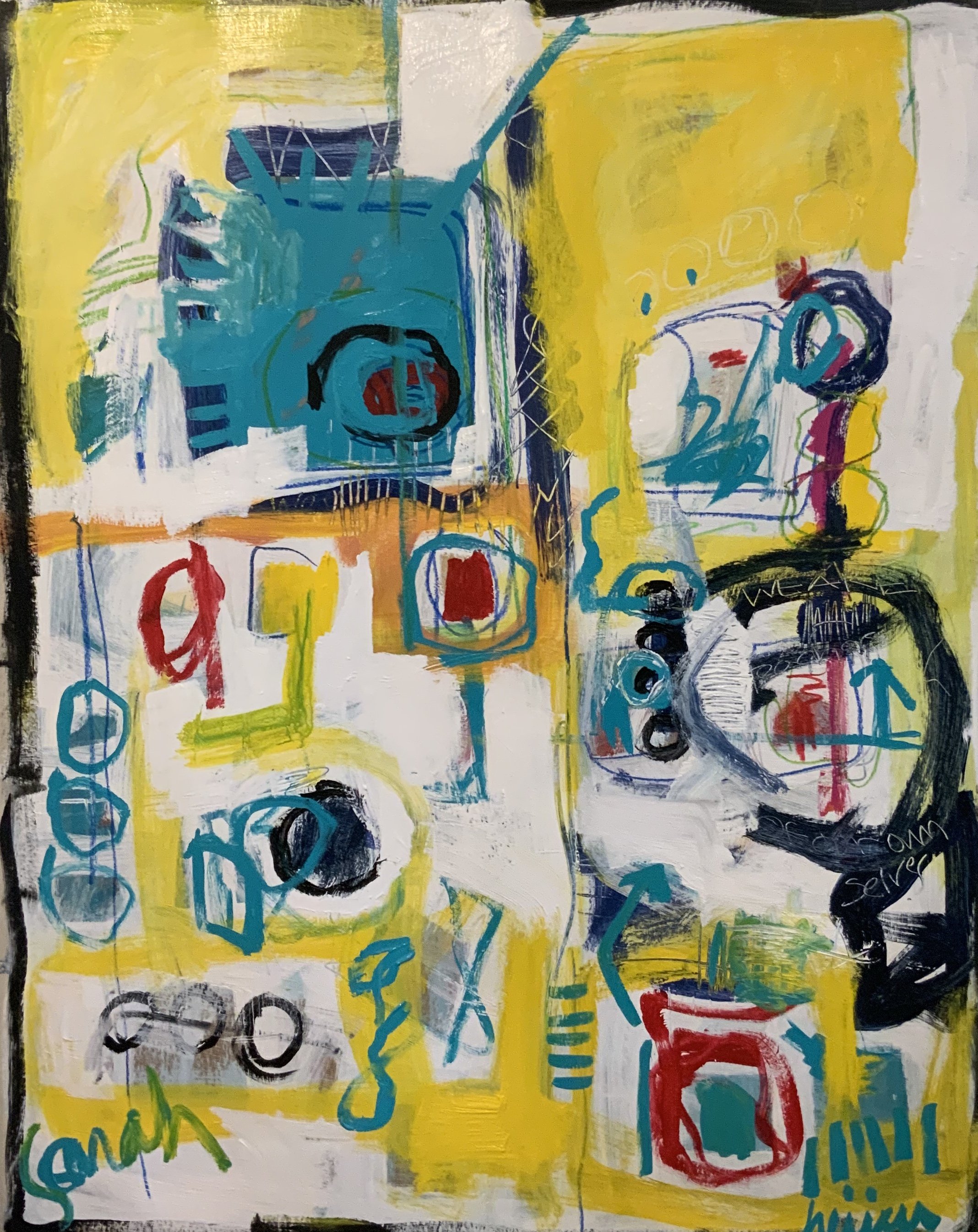
The grid appears in nearly everything she makes. As she describes it in Fortuitous Recovery (2015), "The grid became a character in my work, no longer a formula. Pain was finding refuge in the never-ending creation of gestural squares all within reach of each other." Her grids aren't neutral—they're sites of tension between imposed structure and human persistence.
Jeub's background shapes every series. She left architecture school knowing the path wasn't hers, but form stayed with her. She spent years doing professional development with rural artists, witnessing firsthand the practical and cultural barriers they faced. She's navigated motherhood, financial precarity, and building an art practice in places where the infrastructure doesn't support it. She doesn't abstract away from this lived experience—she abstracts toward it.
What makes her work distinct is that it stays human. Far Away / So Close was painted on chipboard salvaged from the brewery across the street when COVID shut everything down. Each piece was completed within two days of a Zoom conversation, hung one at a time in gallery windows for people passing by. It was art-making as survival strategy, exhibition as radical presence when conventional structures had collapsed.
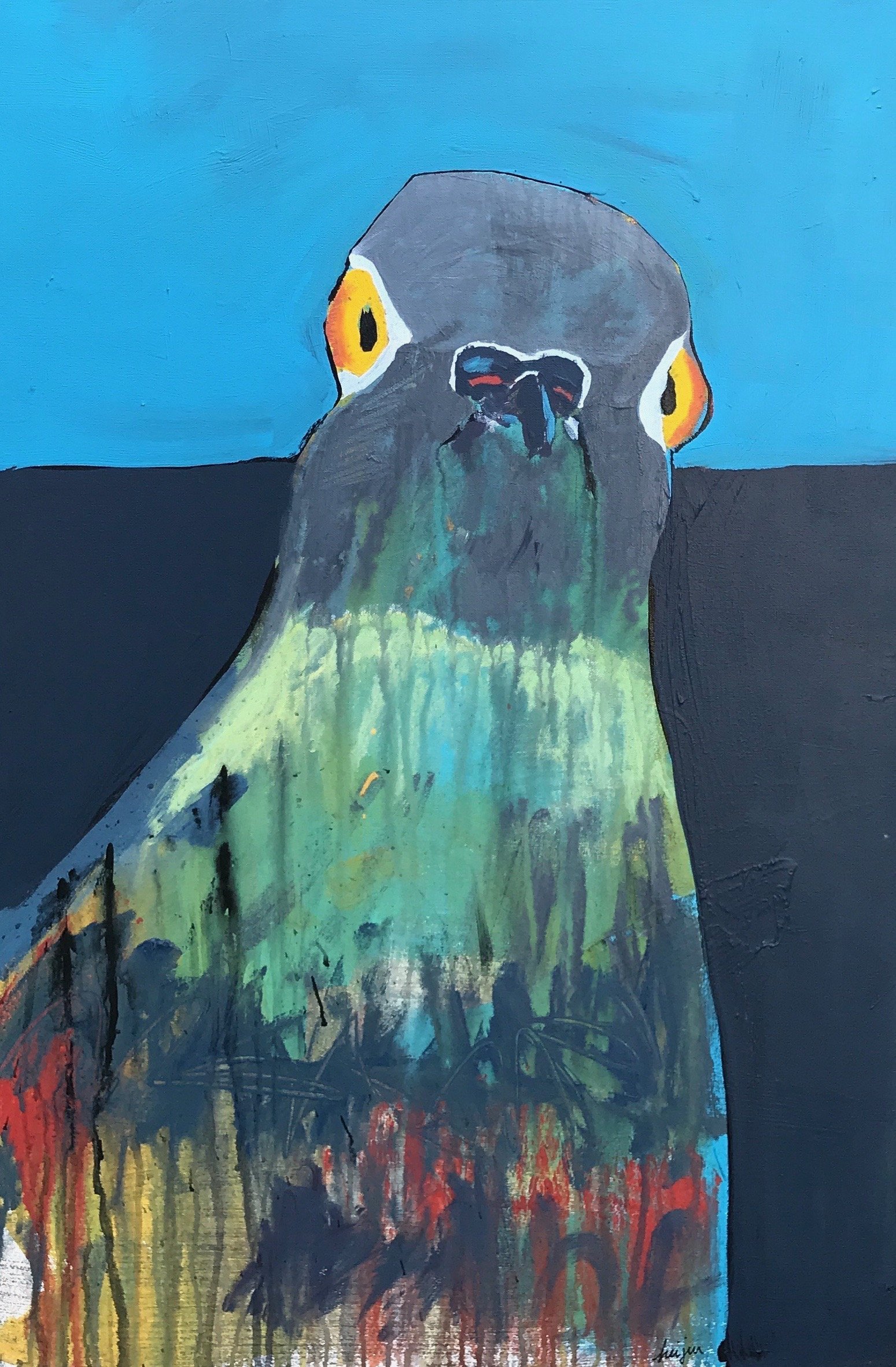
Her Pigeons series (2017-2018) offers the clearest metaphor for her broader project: "I have a lot of respect for these birds. Never looking the same as their comrades and only in unison when having to scatter from danger. They are in tune with what we have given them: concrete, rooftops, ledges, and drains. They thrive." Jeub paints pigeons with genuine admiration for their adaptability within hostile infrastructure—a stance that characterizes all her work.
Rural Flight emerged from research into the biases shaping perceptions of rural America. The paintings refuse easy answers, instead mapping the emotional terrain of depopulation and the tension between staying and leaving. Hidden Architects reconciles with an abandoned dream, exploring what happens when you leave one path but the questions follow you. Nexus asks whether the systems we can't see are giving us air to breathe or just managing our toxicity.
If there's a unifying principle, it's this: Jeub paints relationships. Not interpersonal dynamics, but structural relationships—between rural and urban, individual and system, aspiration and reality, constraint and freedom. "It was about relationships," she says of the grid. "Not just on the flat page, but between the person and the object, the space not used."
She now teaches art in schools, afterschool programs and within her organization, Heijeu Arts. It's a direct extension of her practice: both are about making space, both insist systems can change, both refuse to accept that adapting to hostile infrastructure is the best we can hope for.
Jeub makes work for the person standing in front of it. Her paintings ask us to see the grids we live within—and then ask what we might build from there.