Sartell Paper Mill Project
Sartell Paper Mill Project
2013-2014
Sartell, MN
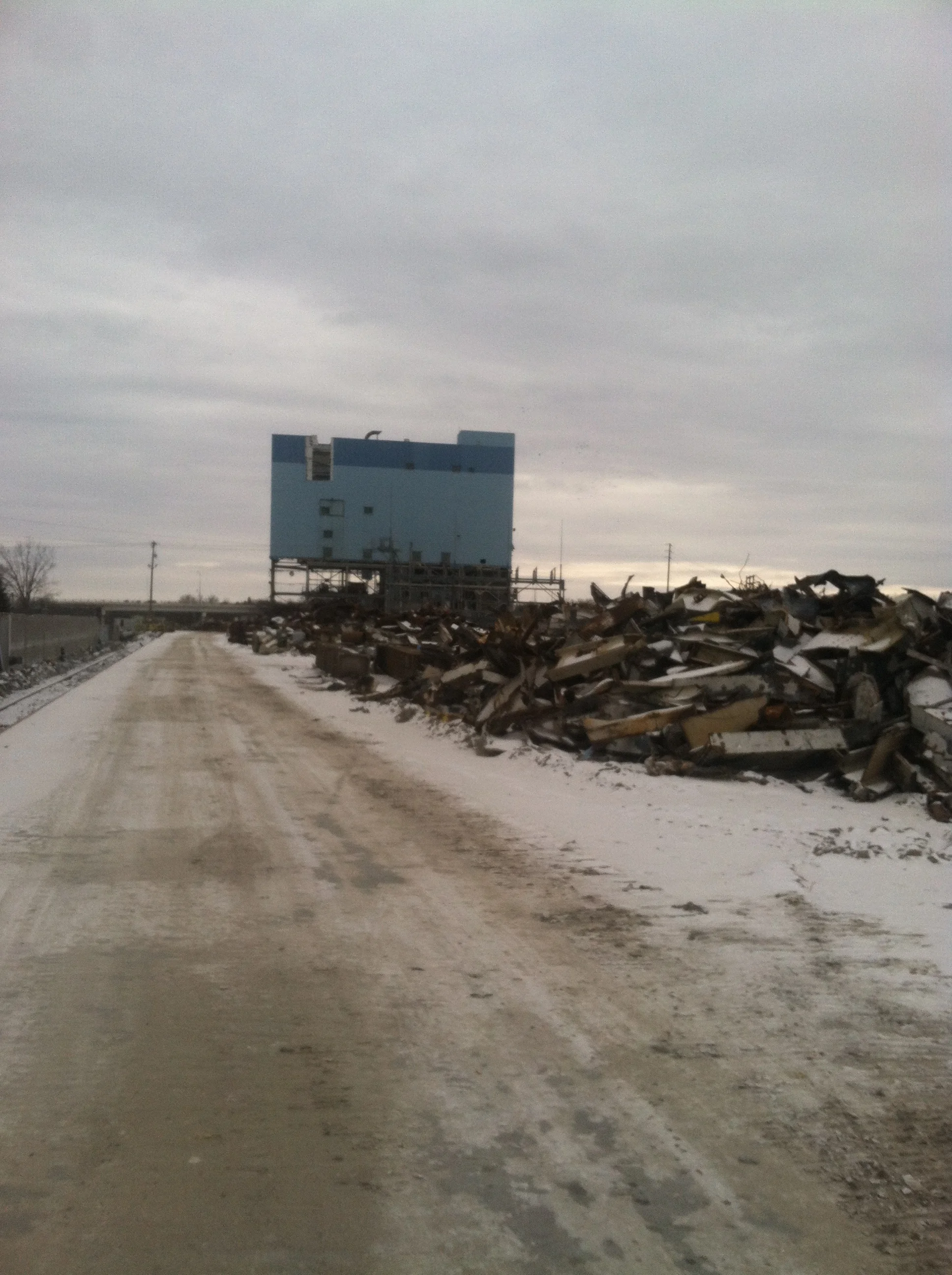
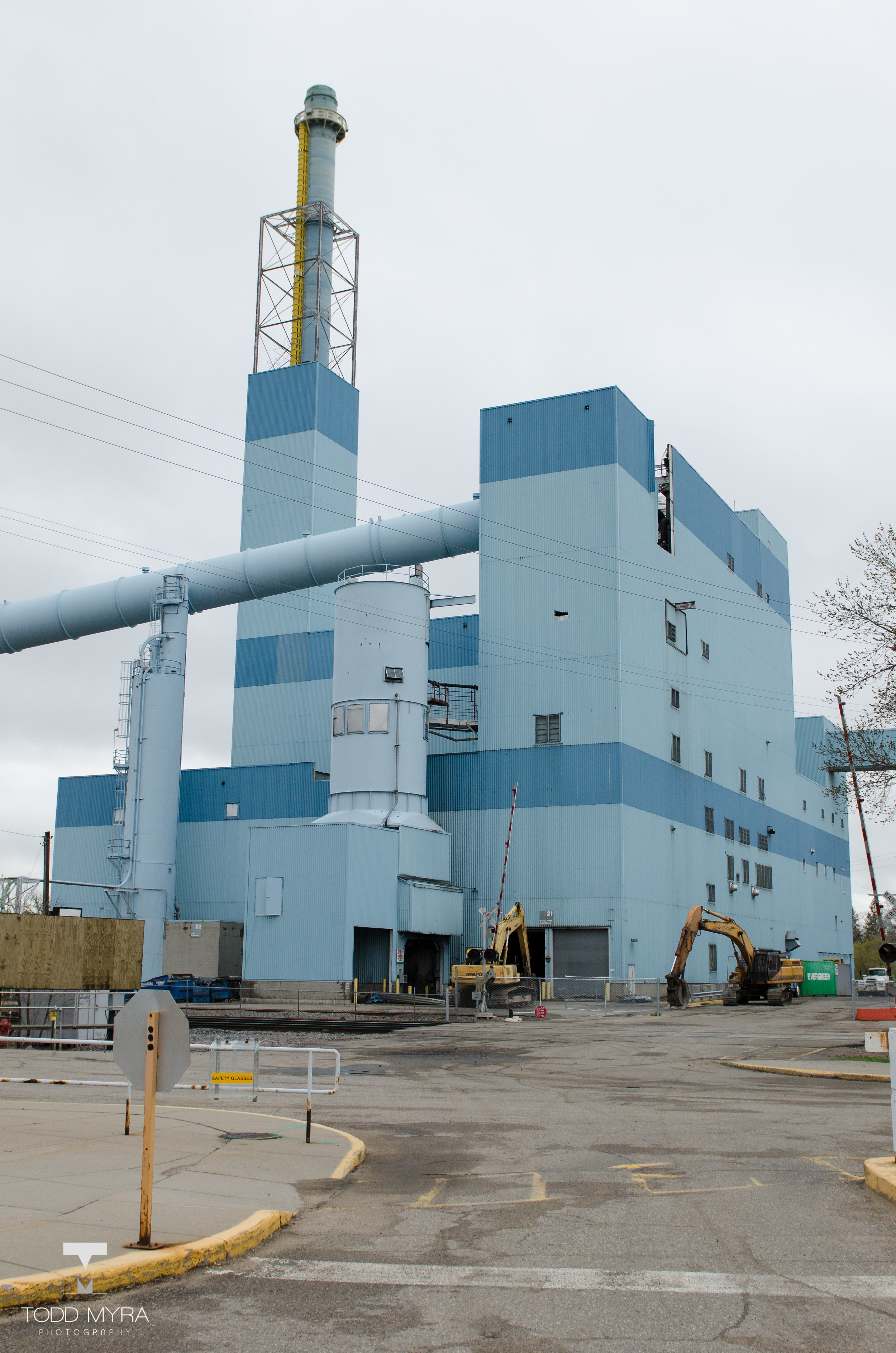
On Memorial Day 2012, an explosion tore through the Verso Paper Mill in Sartell, Minnesota — killing one worker, injuring others, and triggering the permanent closure of a plant that had long been central to the community's identity. In the aftermath, local residents refused to let the mill simply disappear. The Sartell Mill Art Project grew out of that collective determination: a grassroots effort to memorialize the plant, honor the people who worked there, and transform industrial remnants into enduring public art.
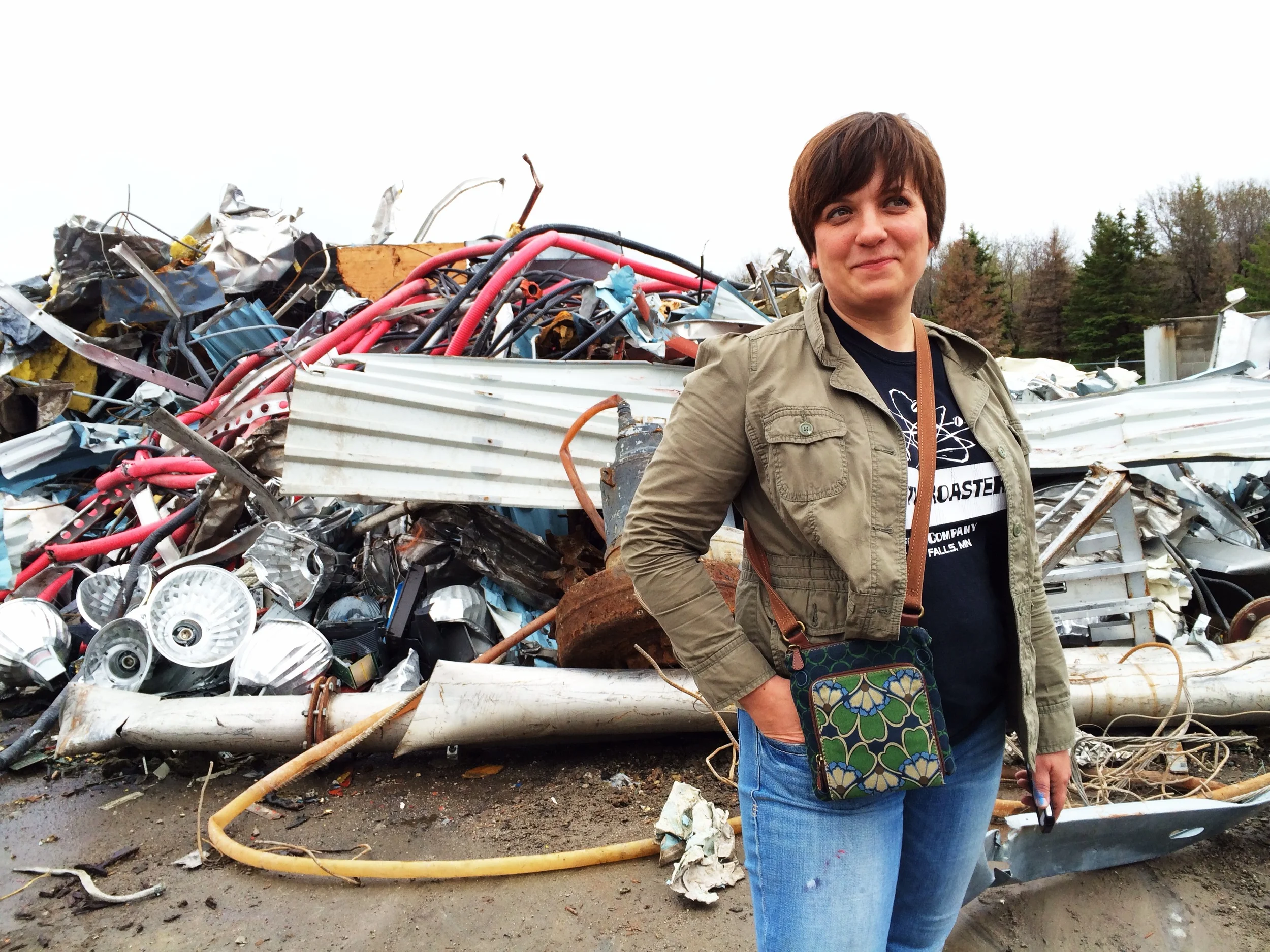
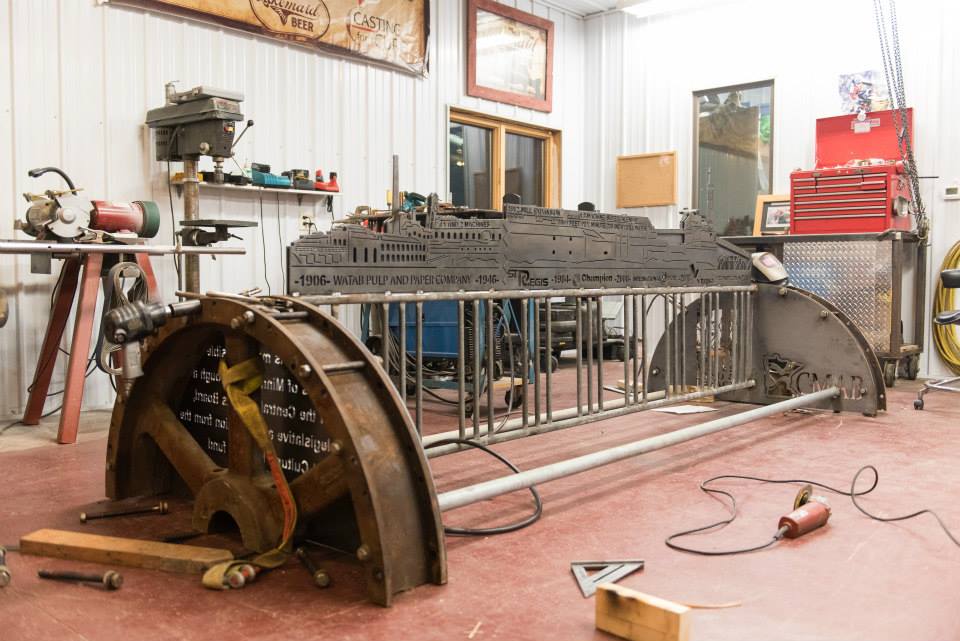
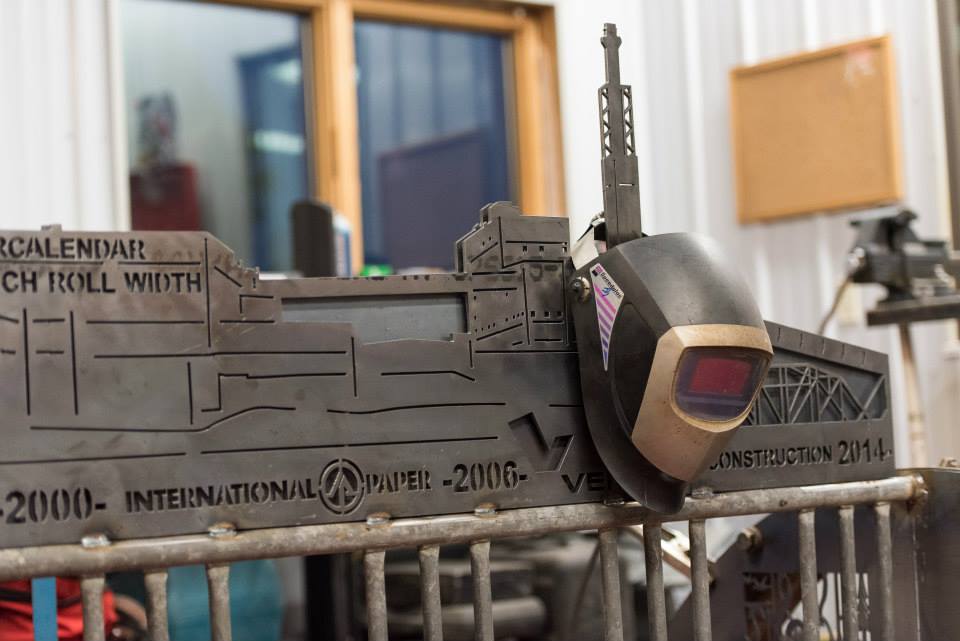
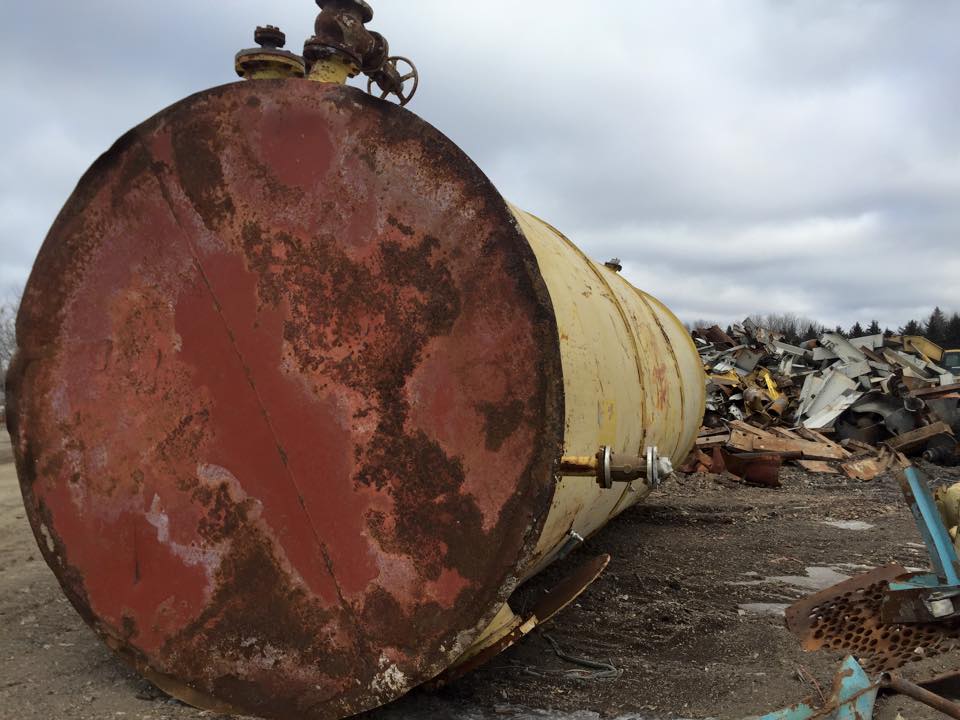
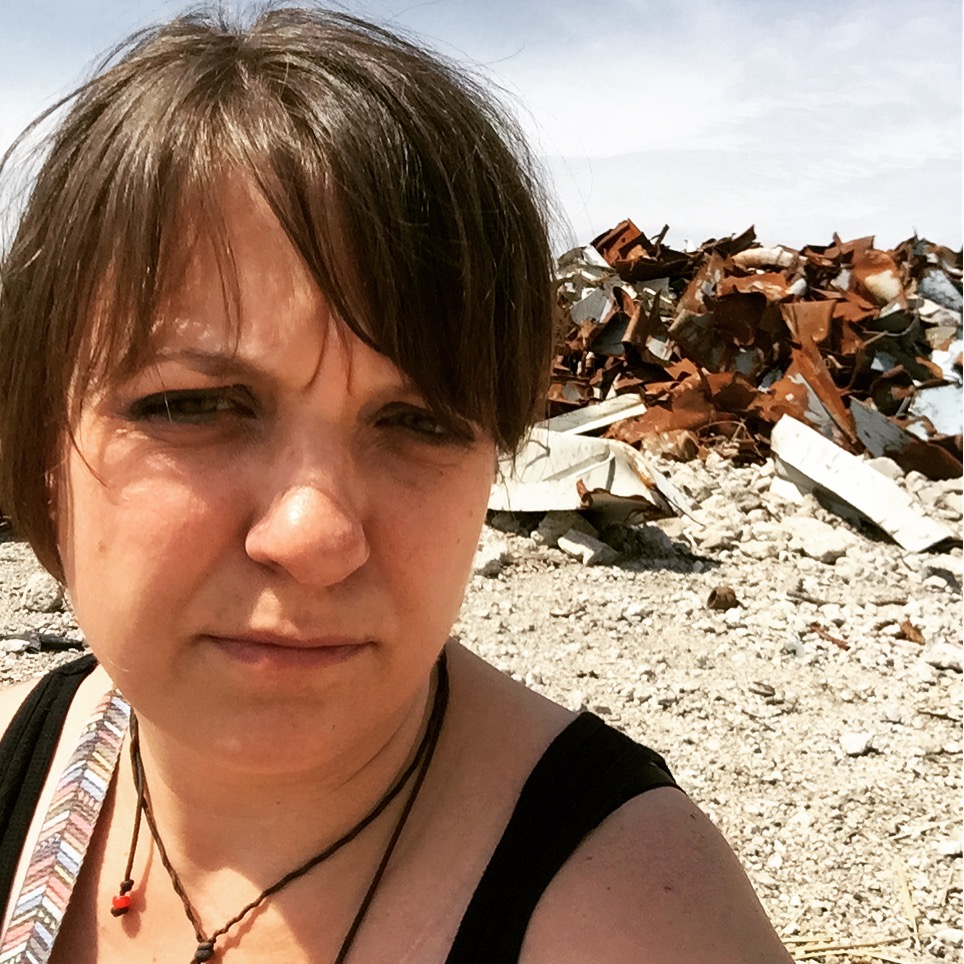
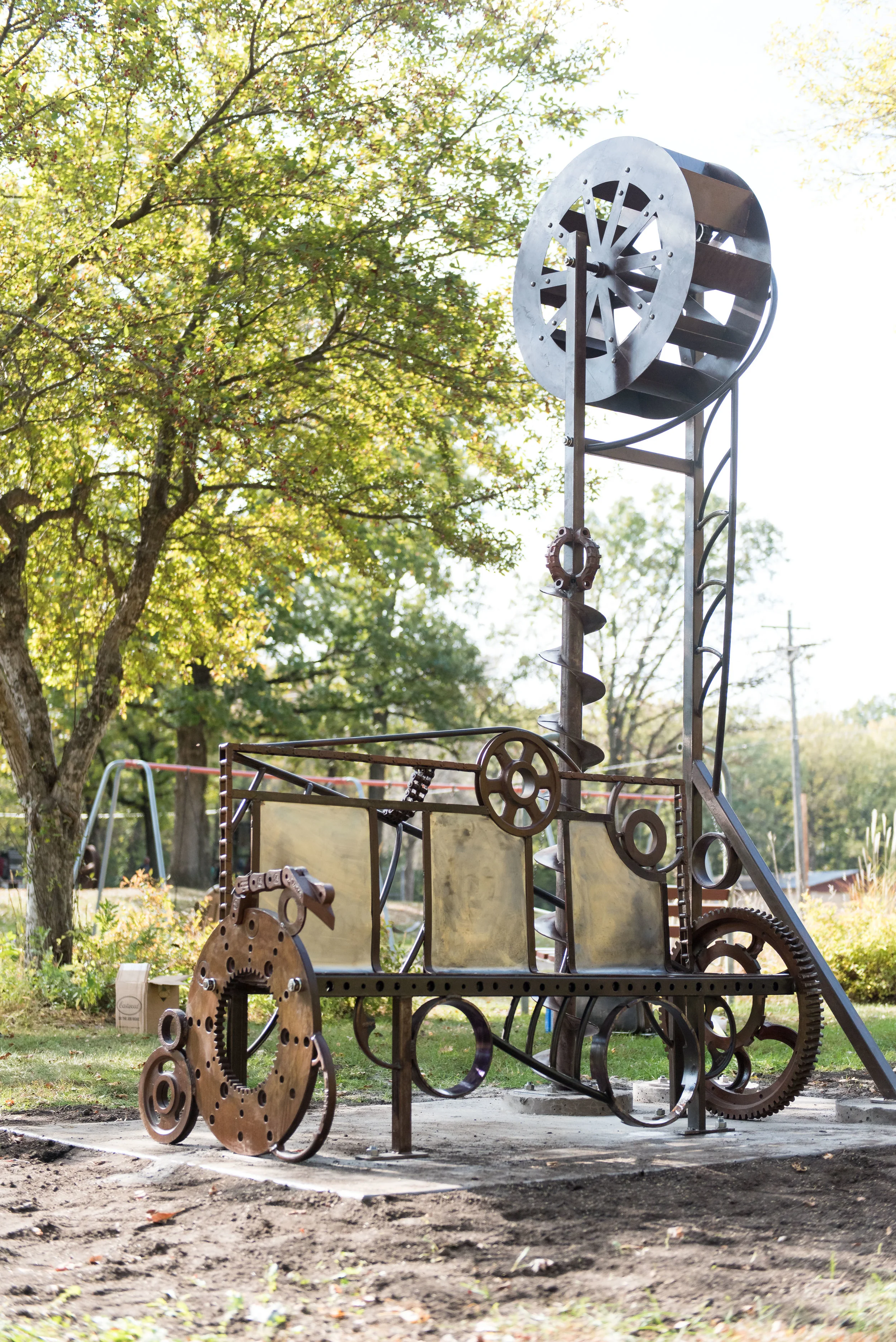
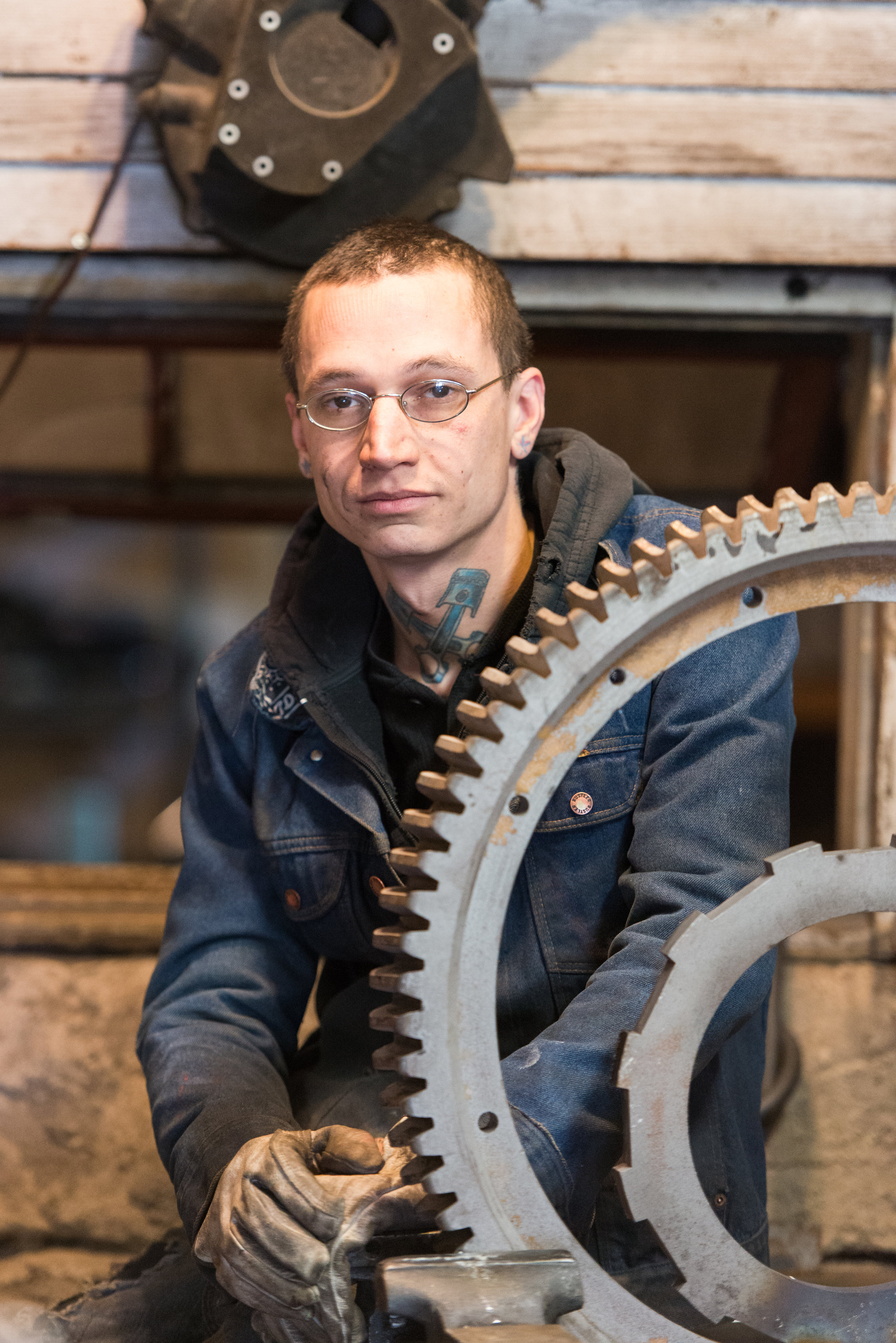
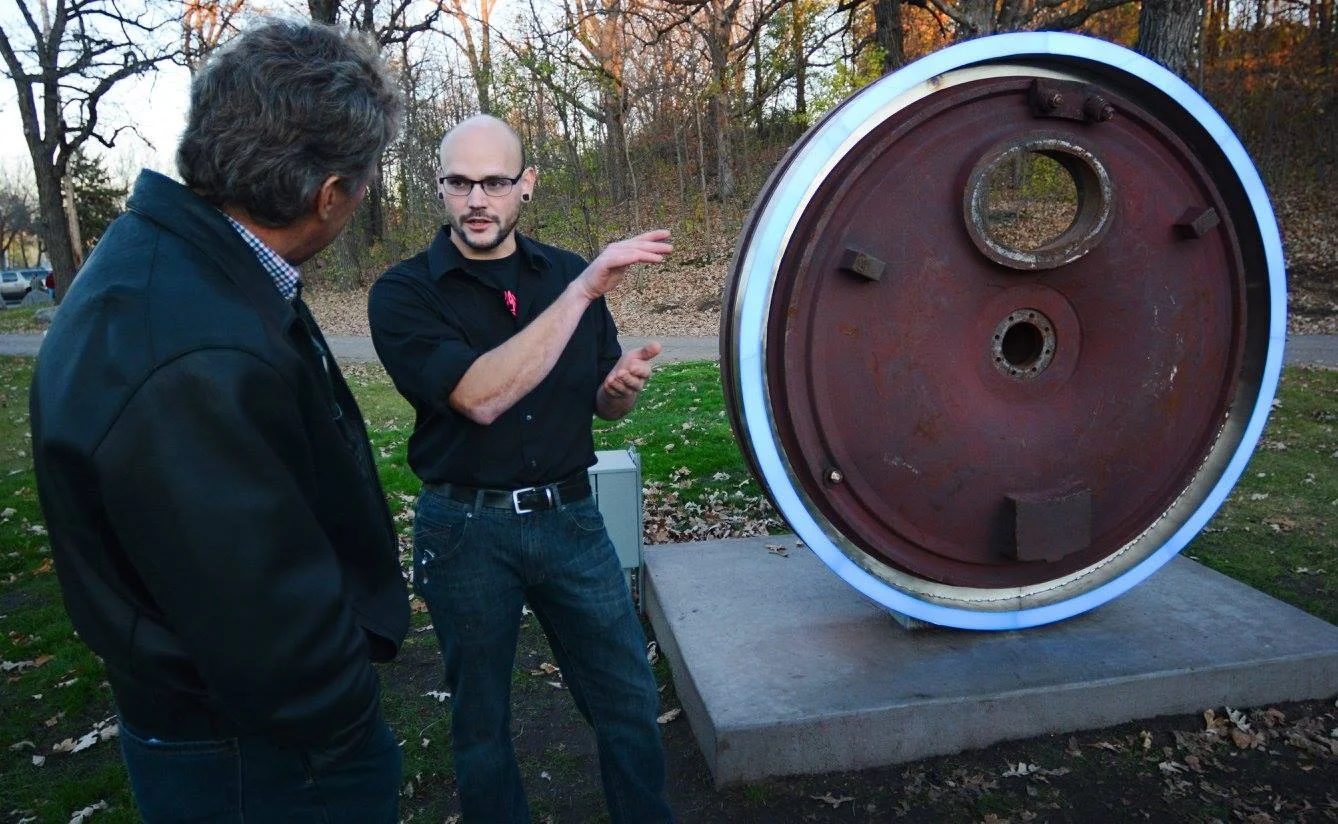
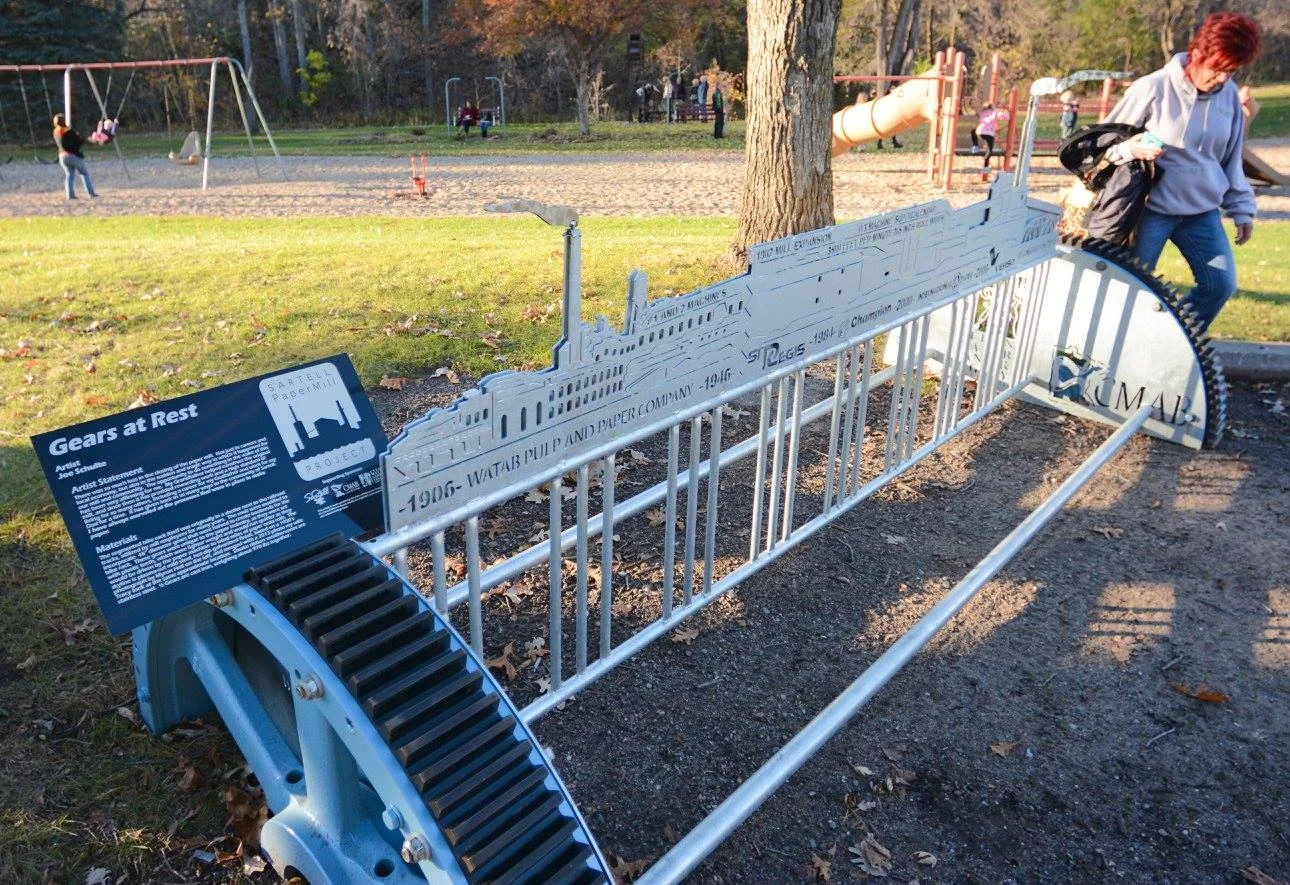
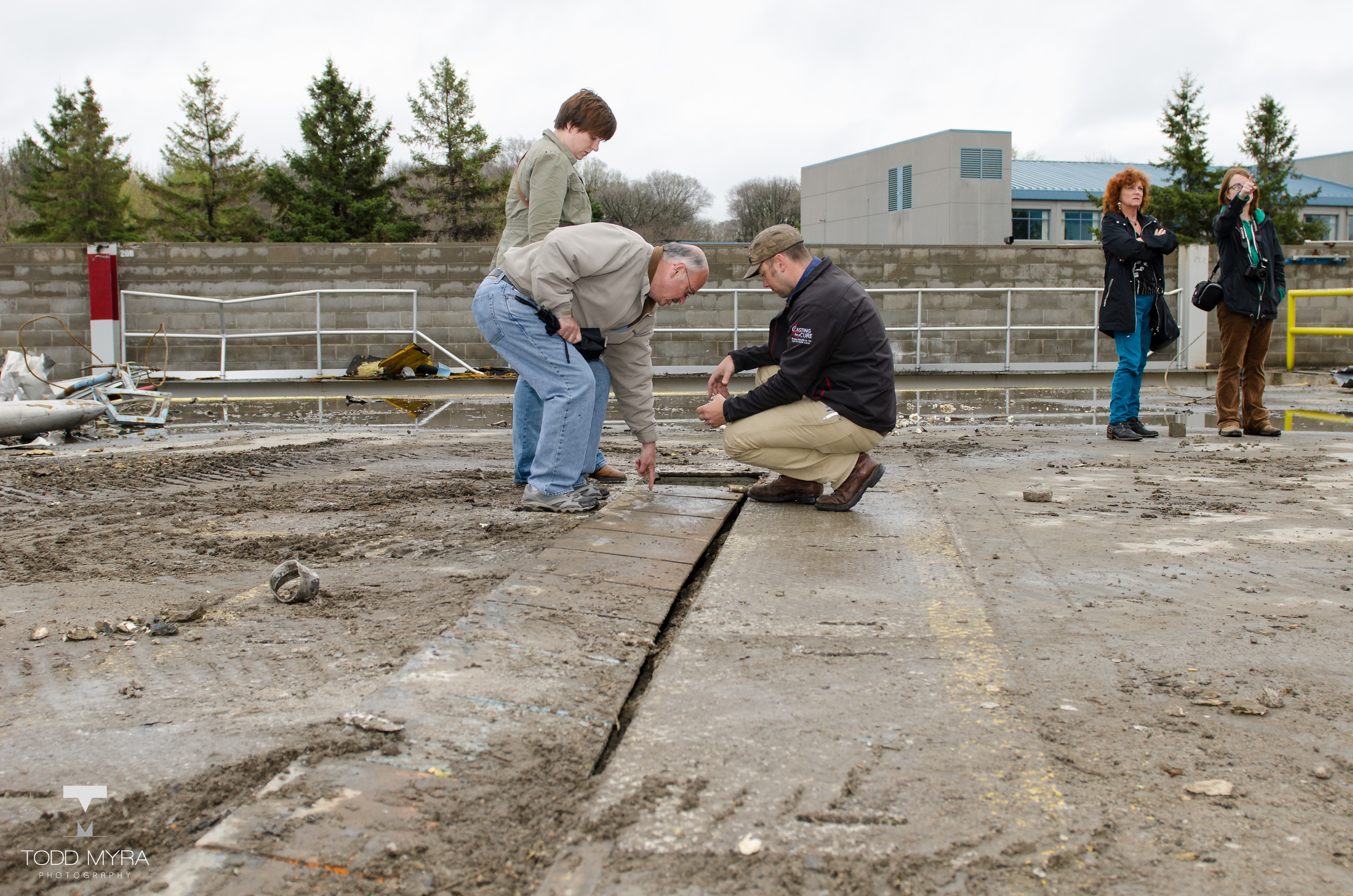
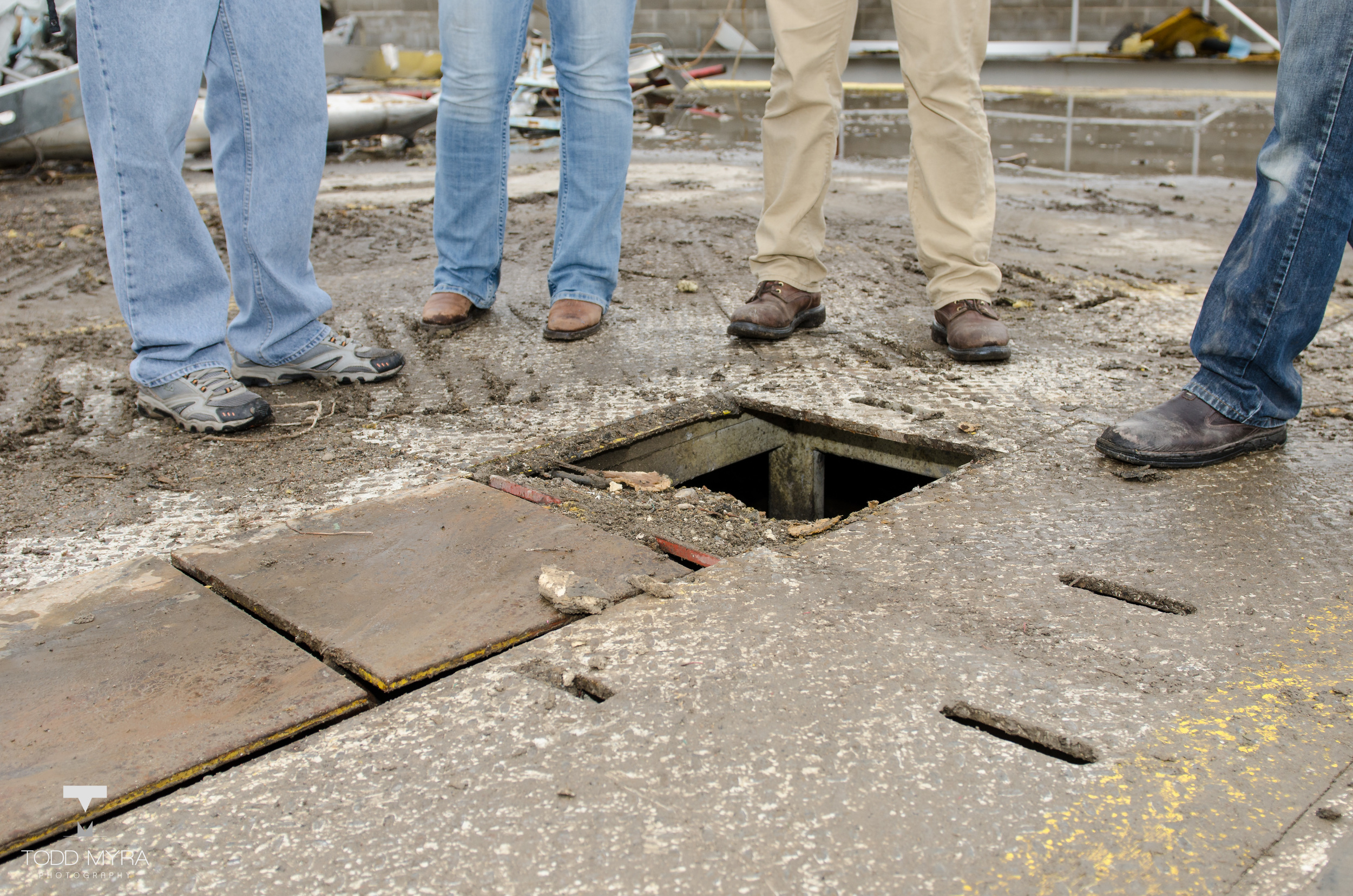
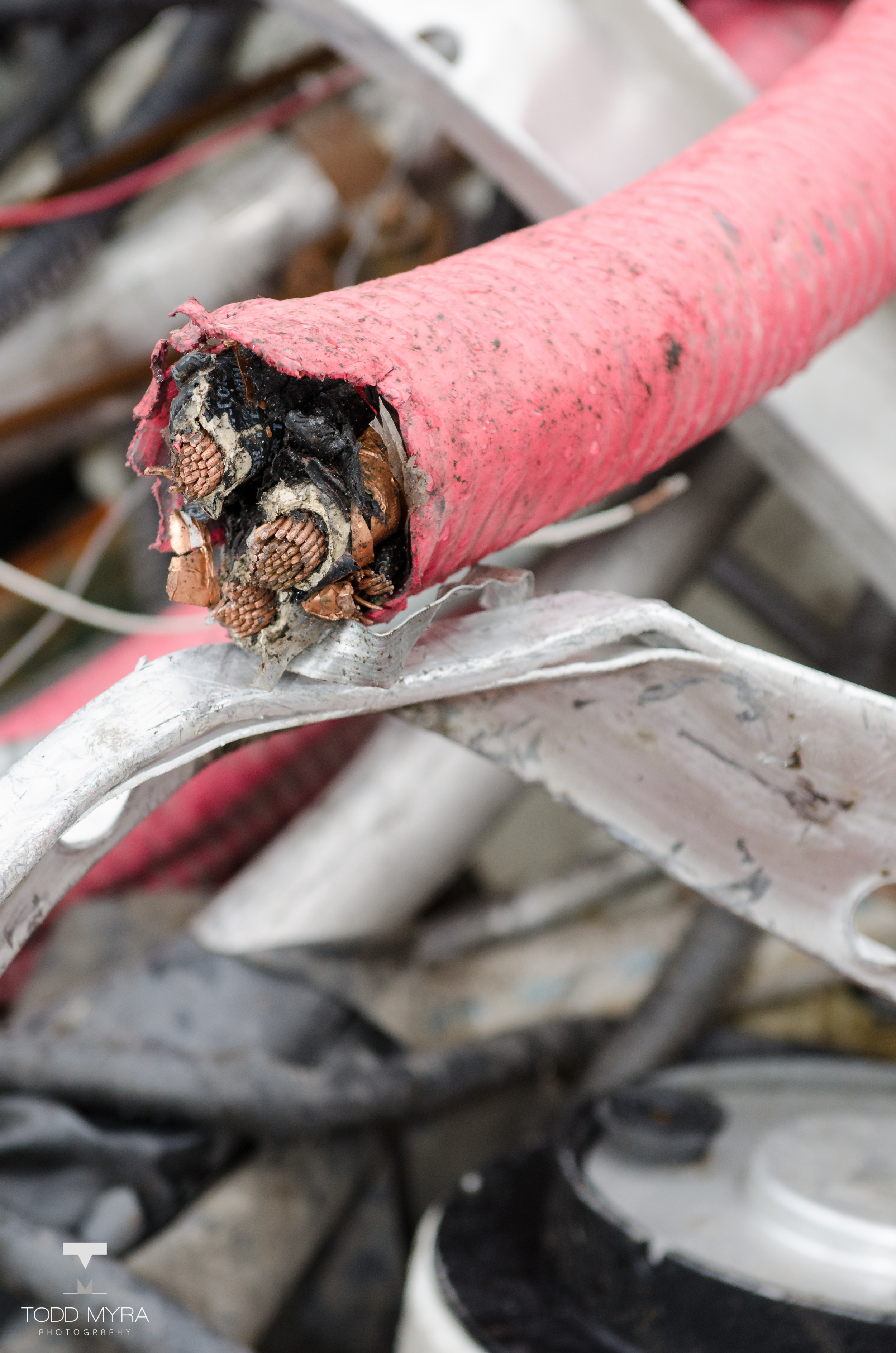
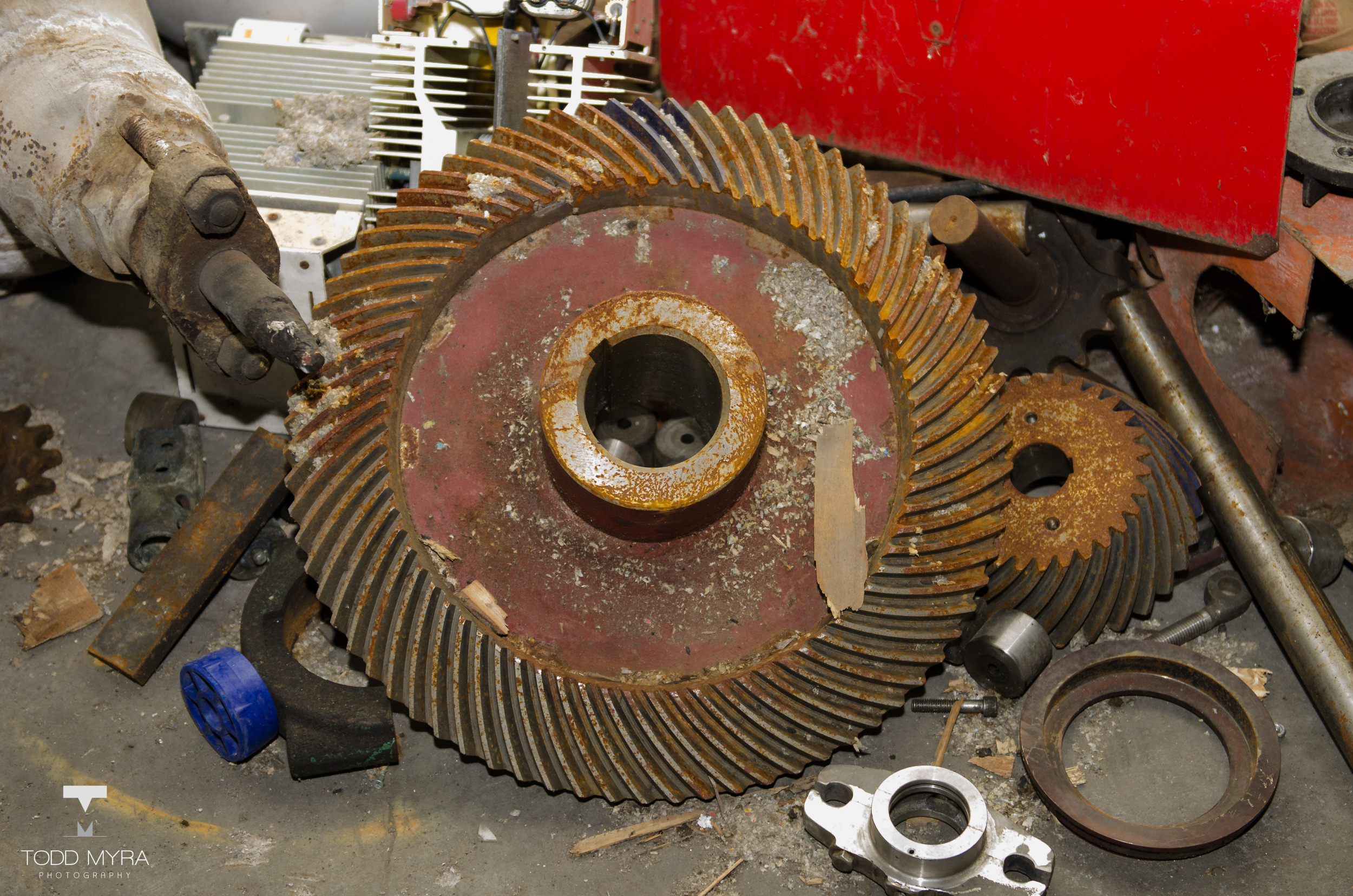
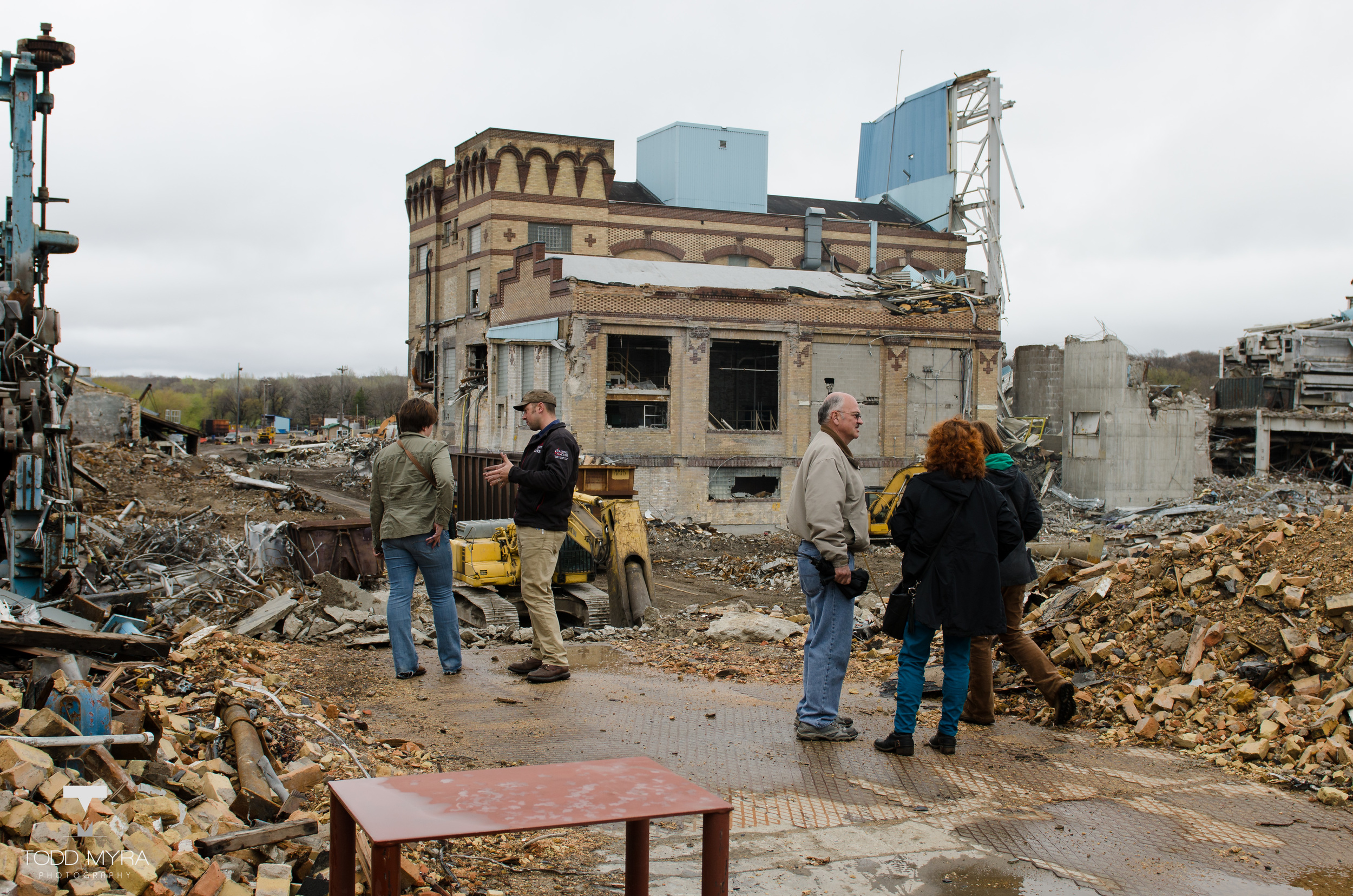
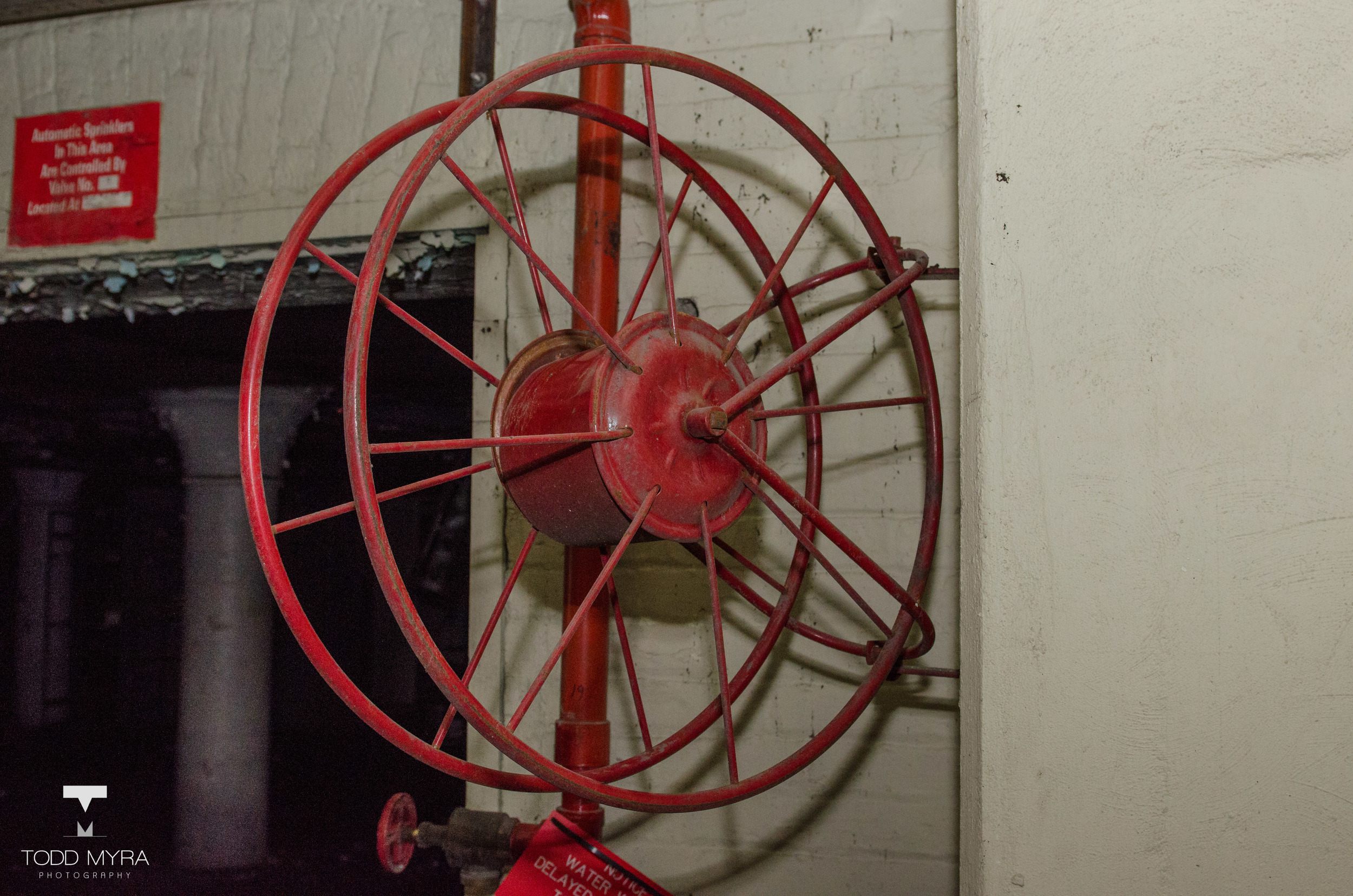
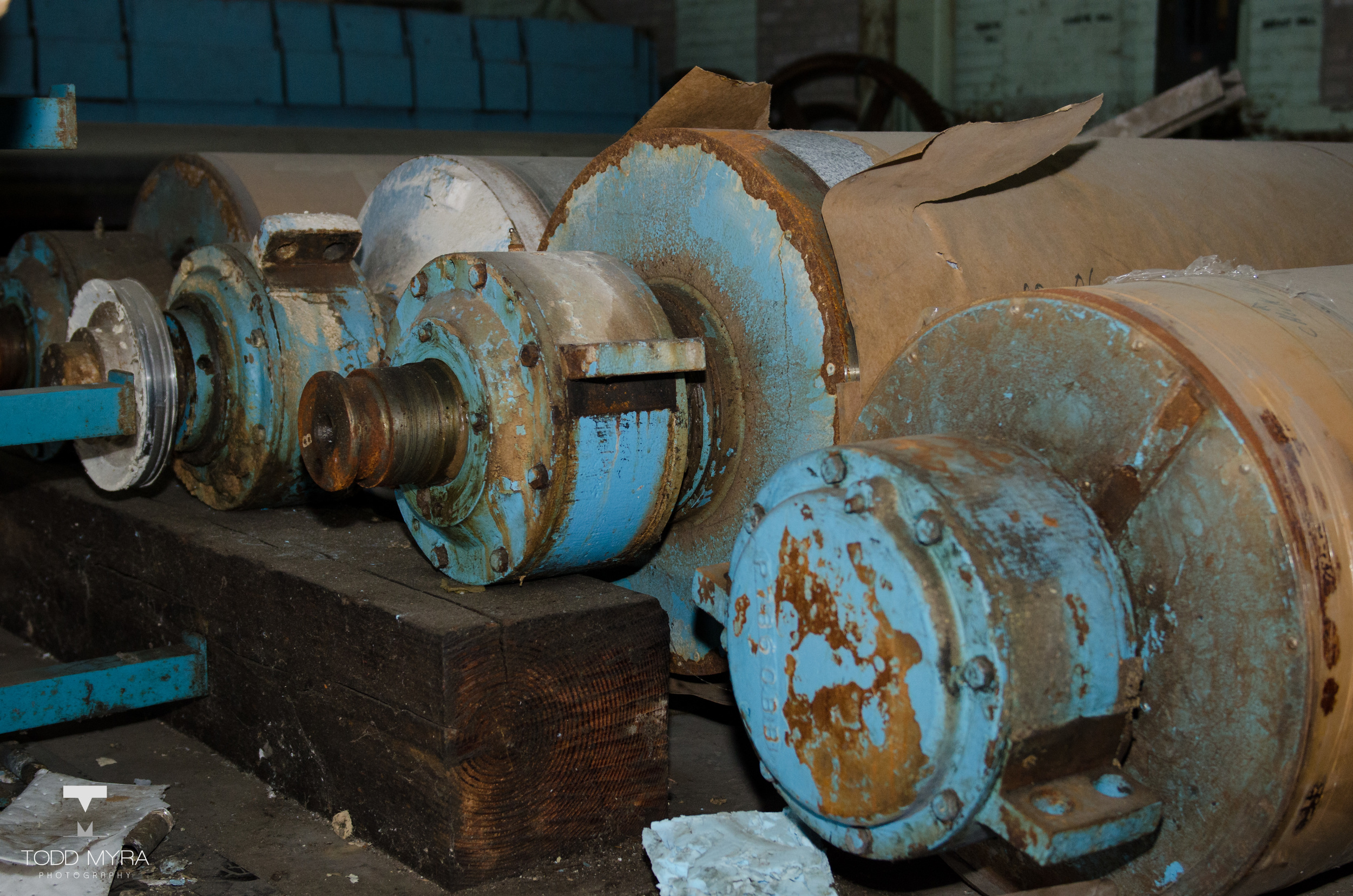
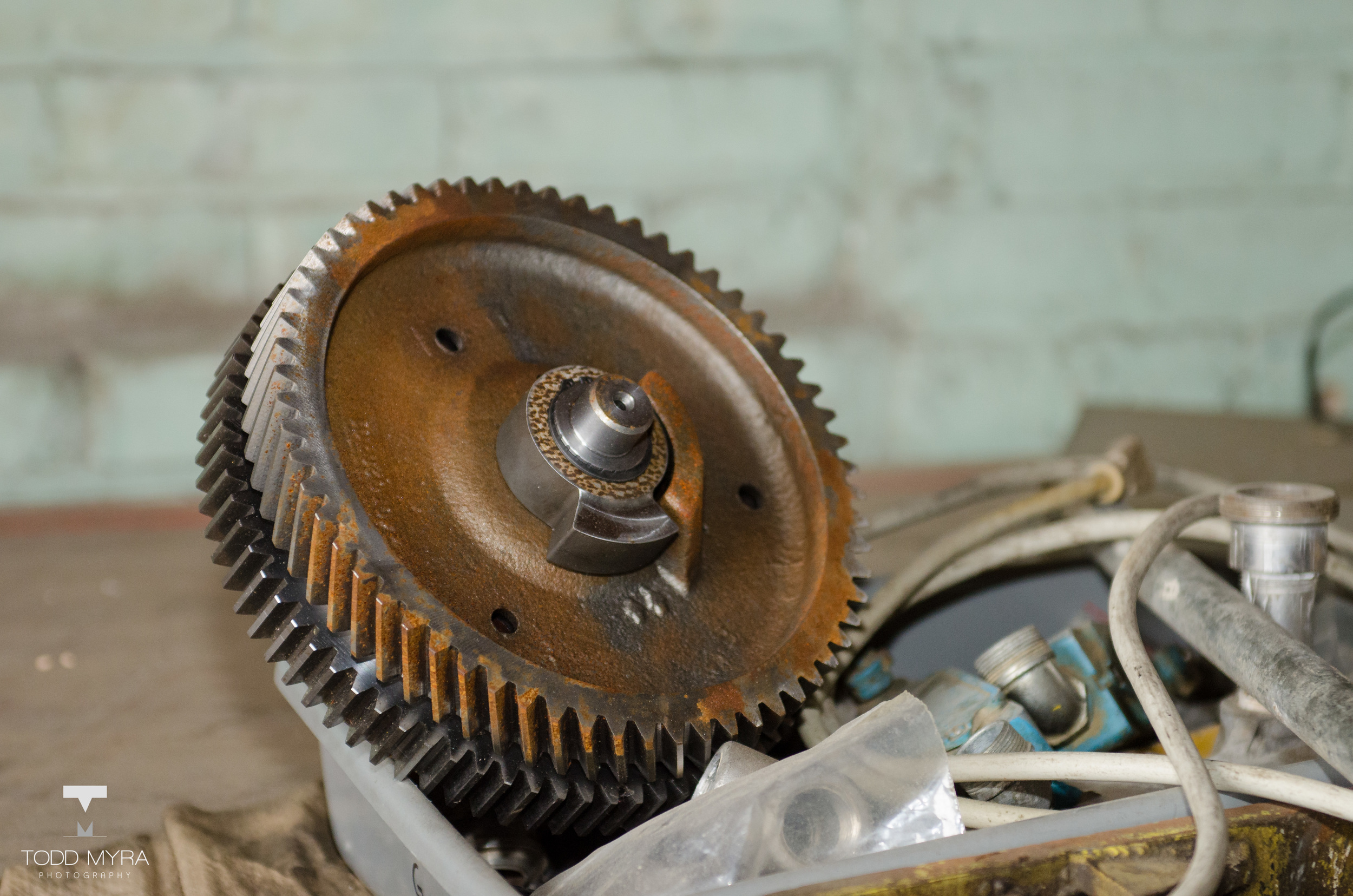
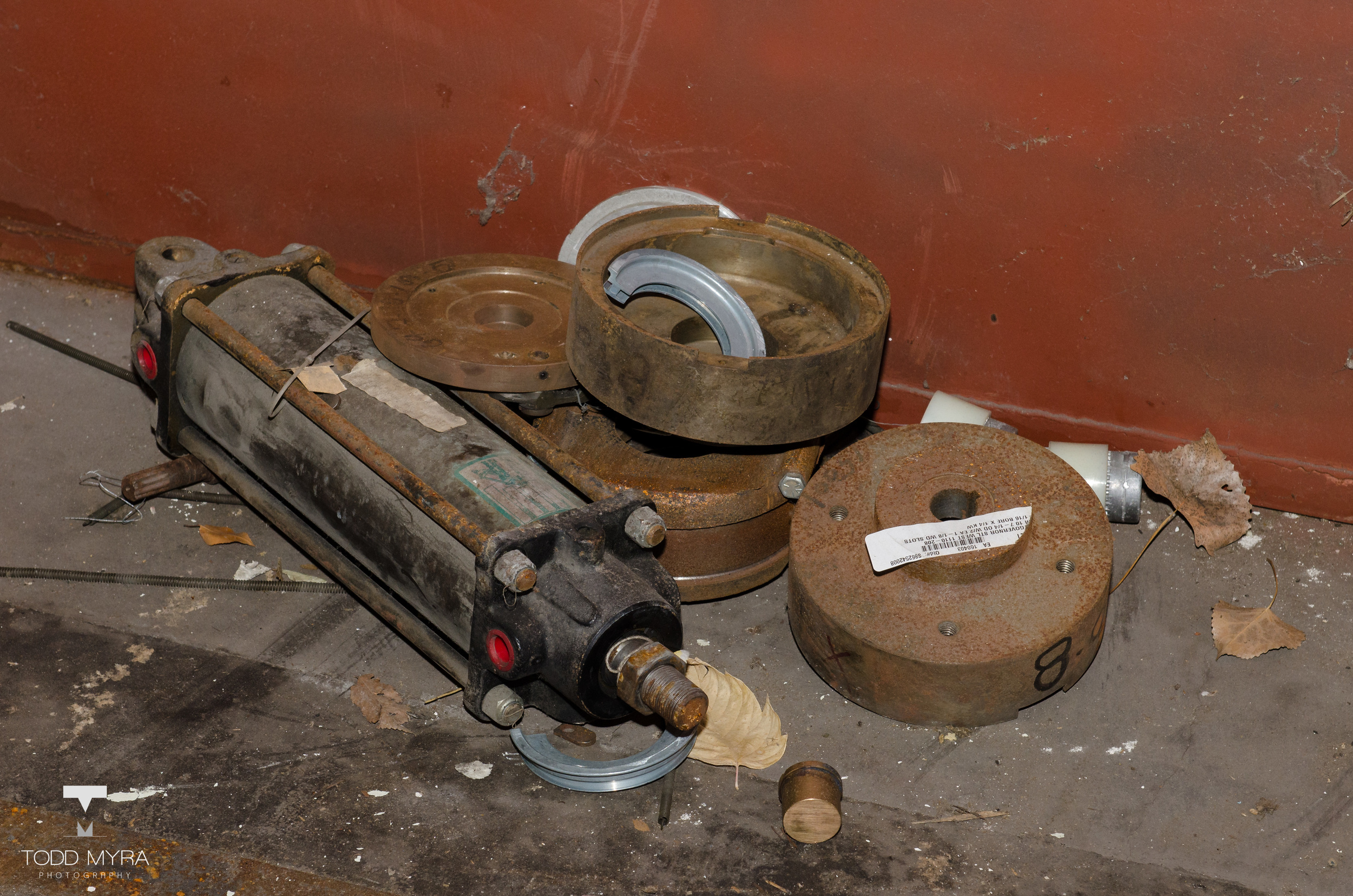
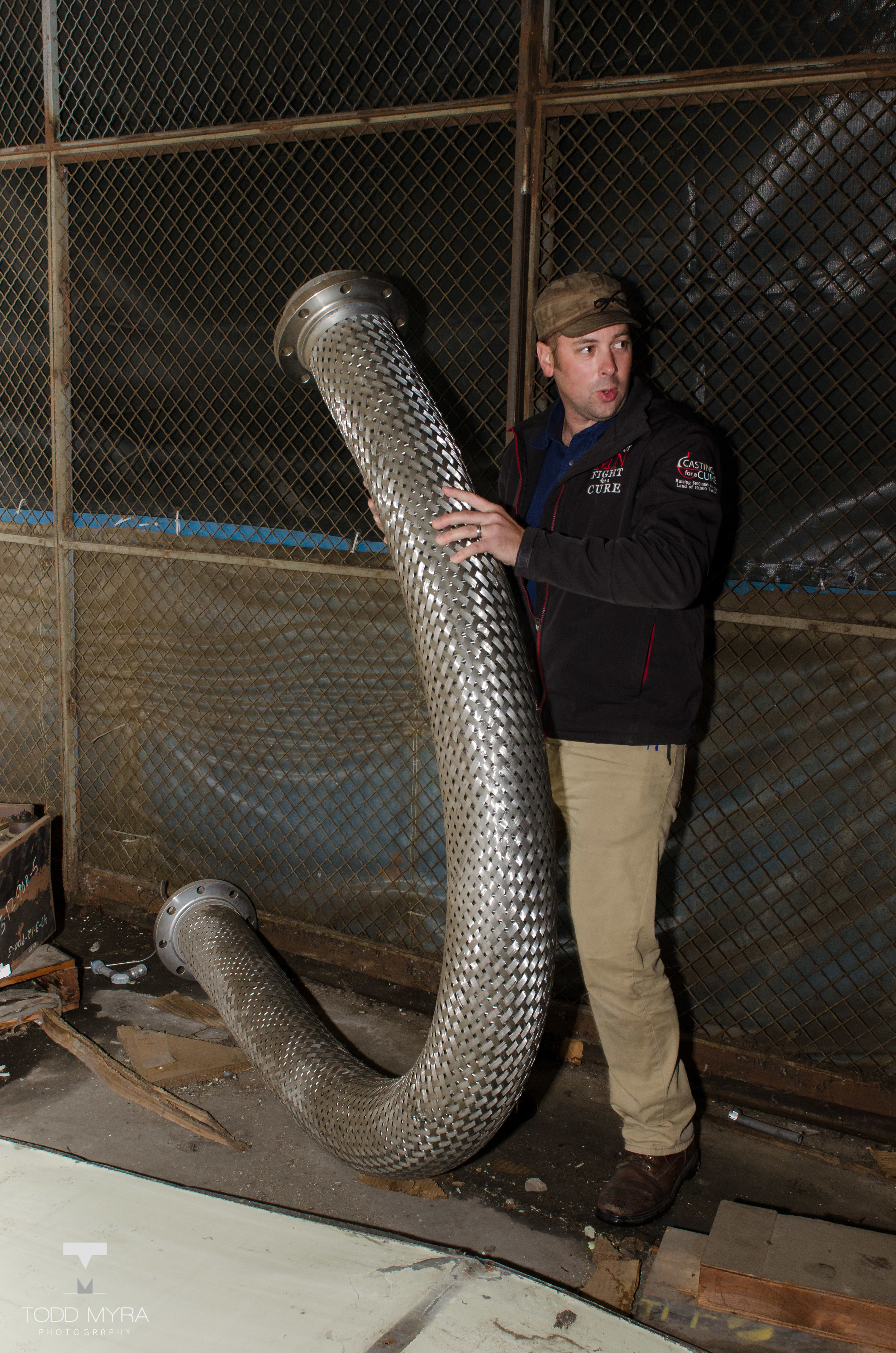
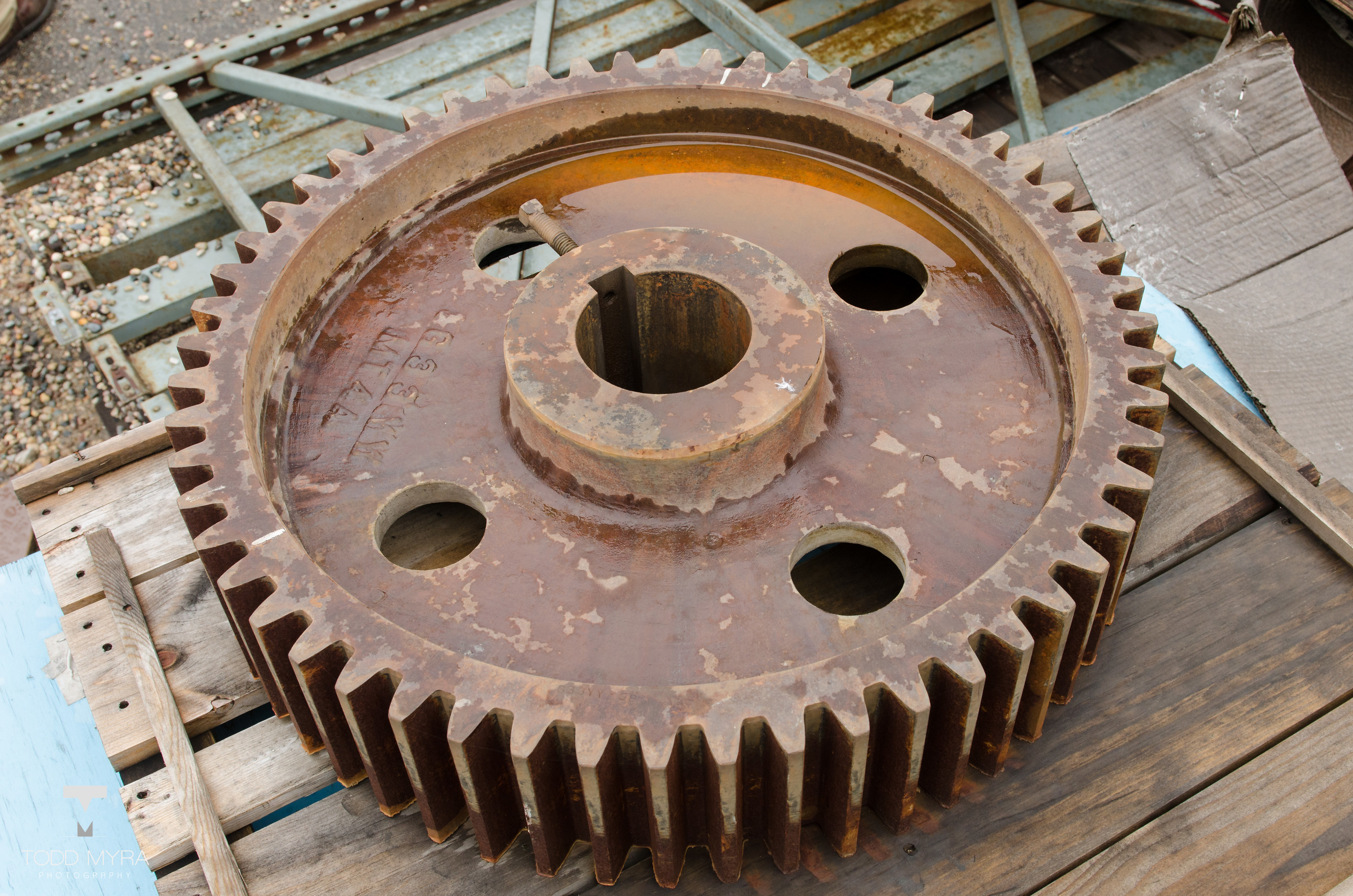
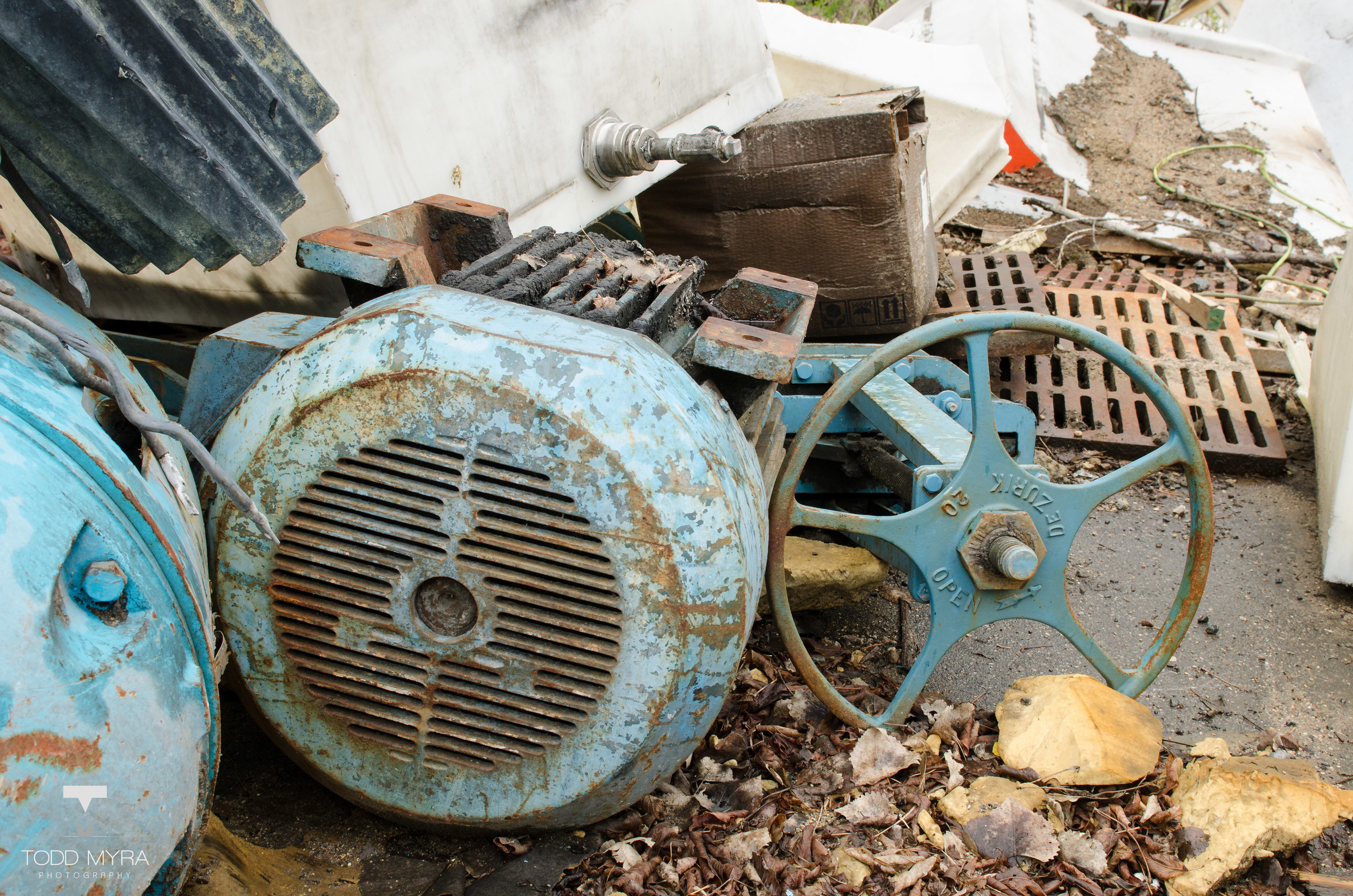
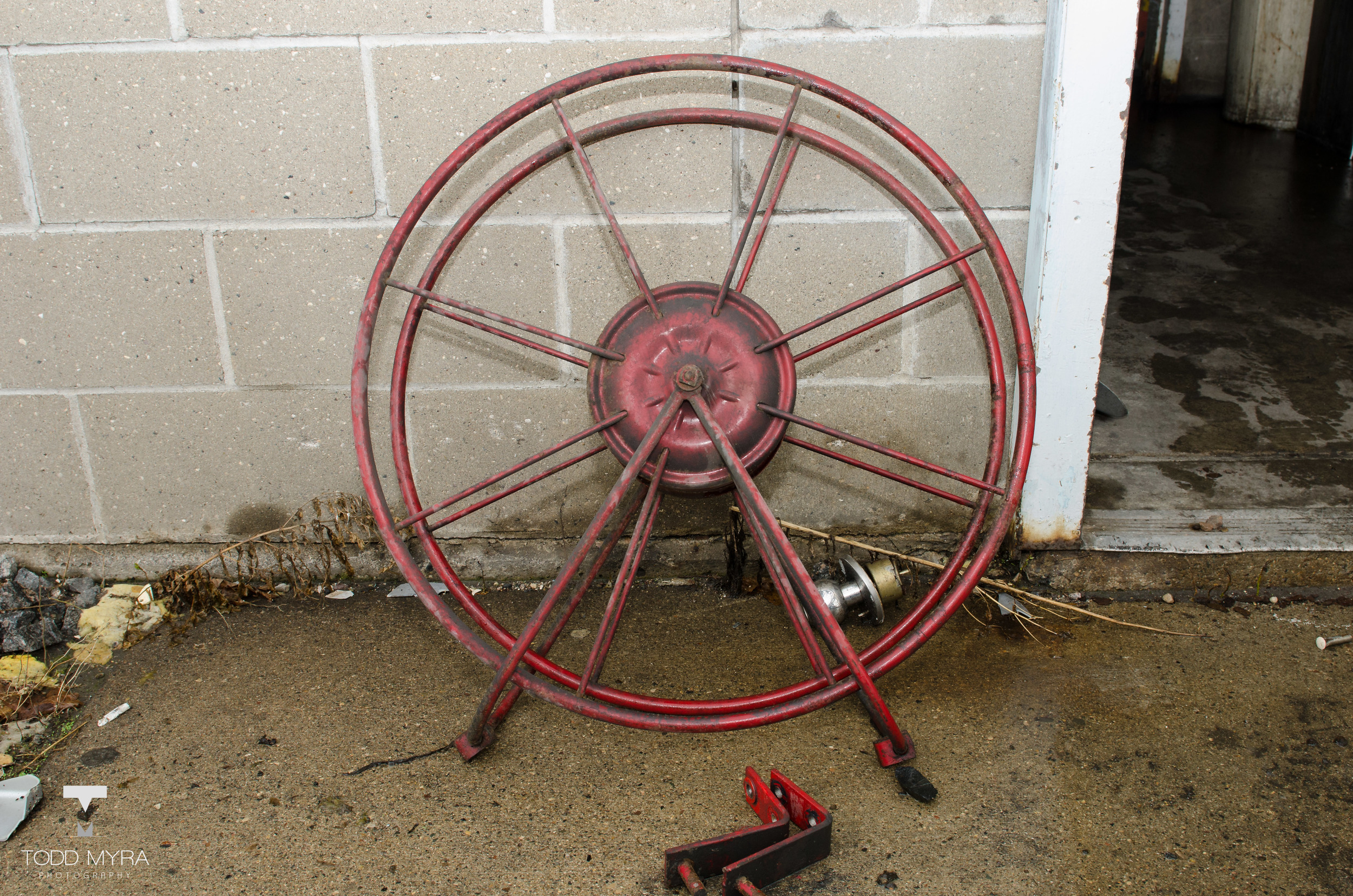
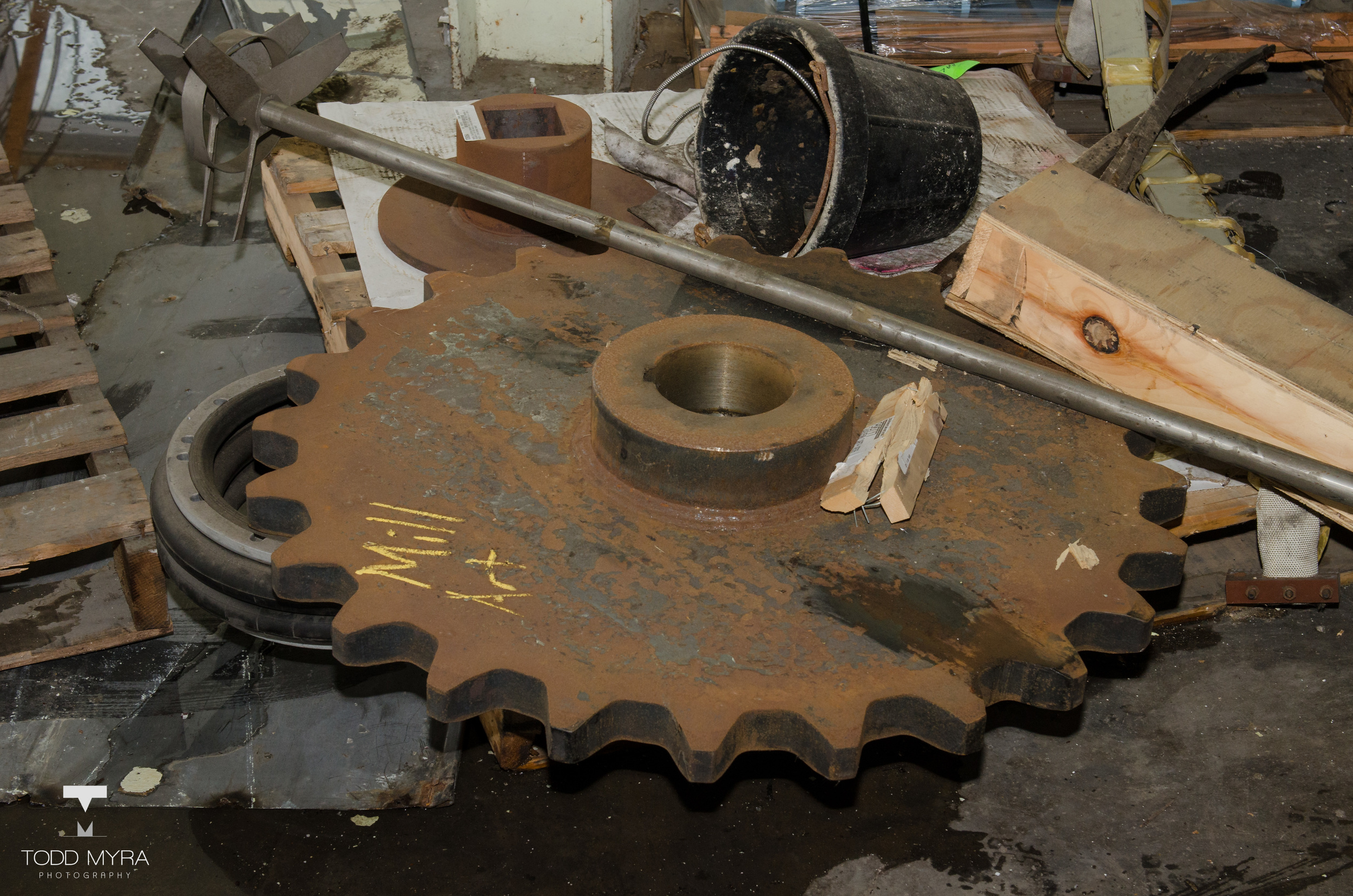
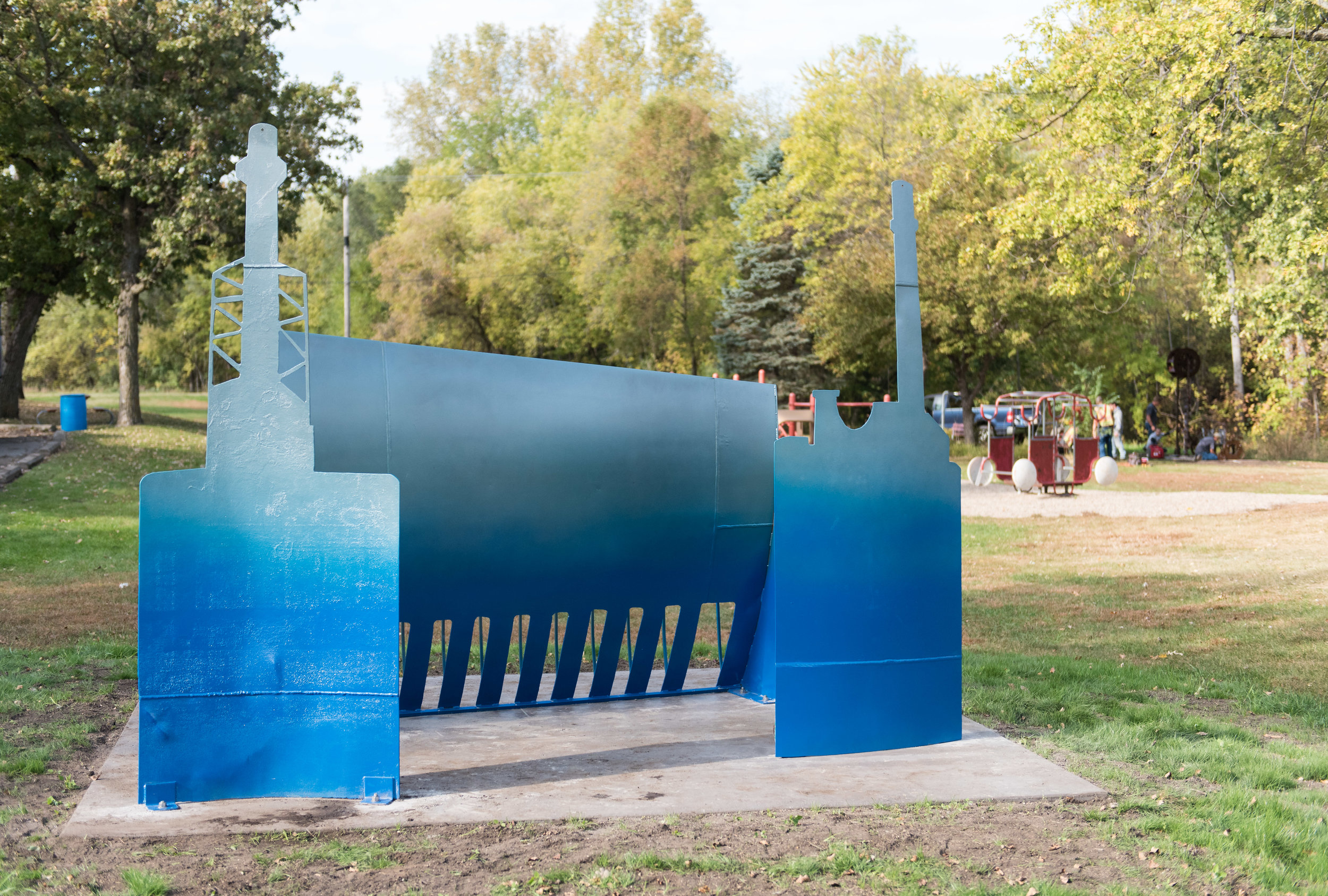
At the heart of the project was a unique salvage process. Artists were granted access to the mill during active demolition, walking the site to hand-select materials that carried the most meaning — gears, metal fragments, and a large section of a metal coal chute. These weren't just raw materials; they were artifacts of a working life, chosen deliberately to carry that history forward.
Former mill workers played a vital role as well, sharing their memories and stories to ensure the artwork was rooted in lived experience rather than outside interpretation. Their voices shaped the project from the ground up.
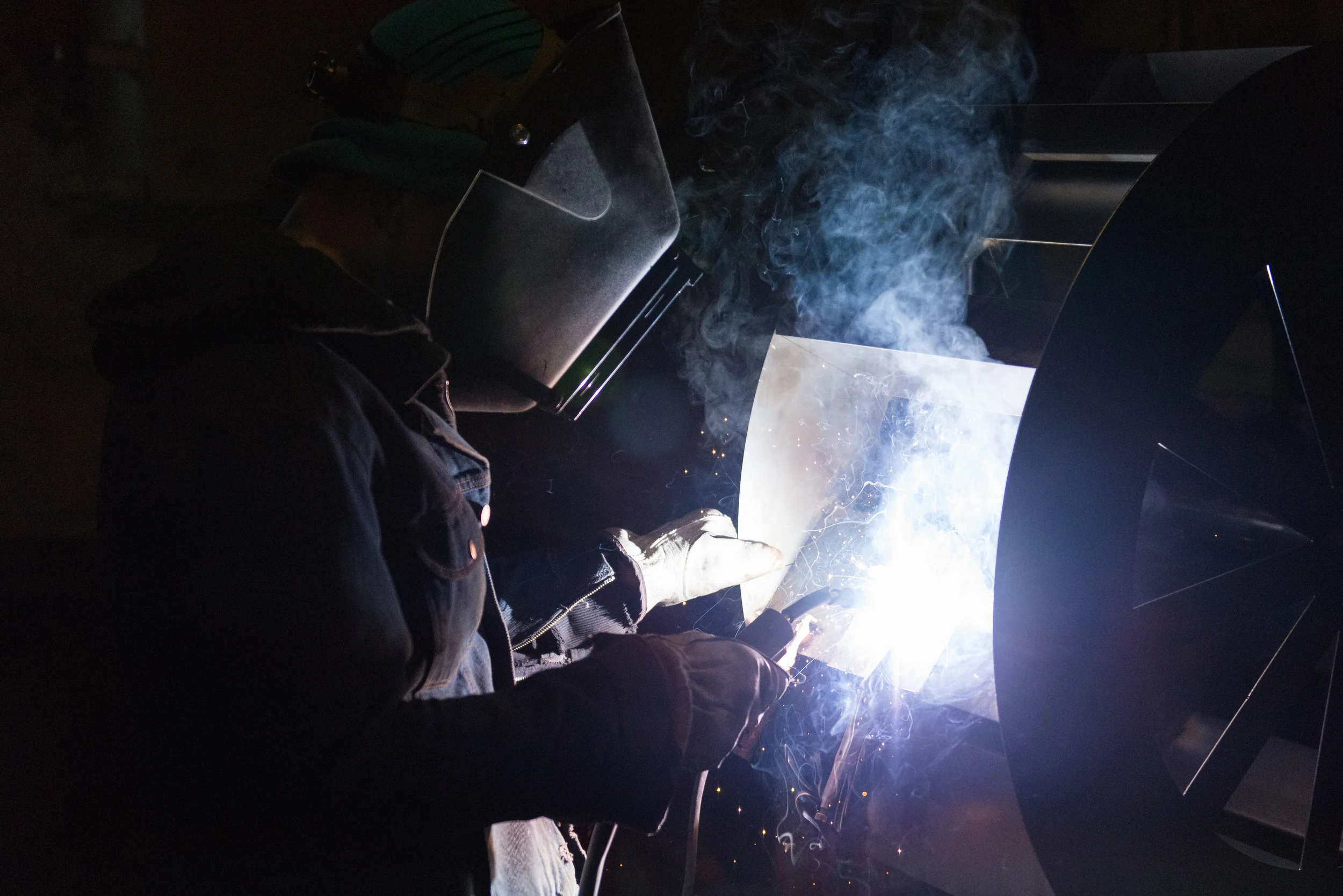
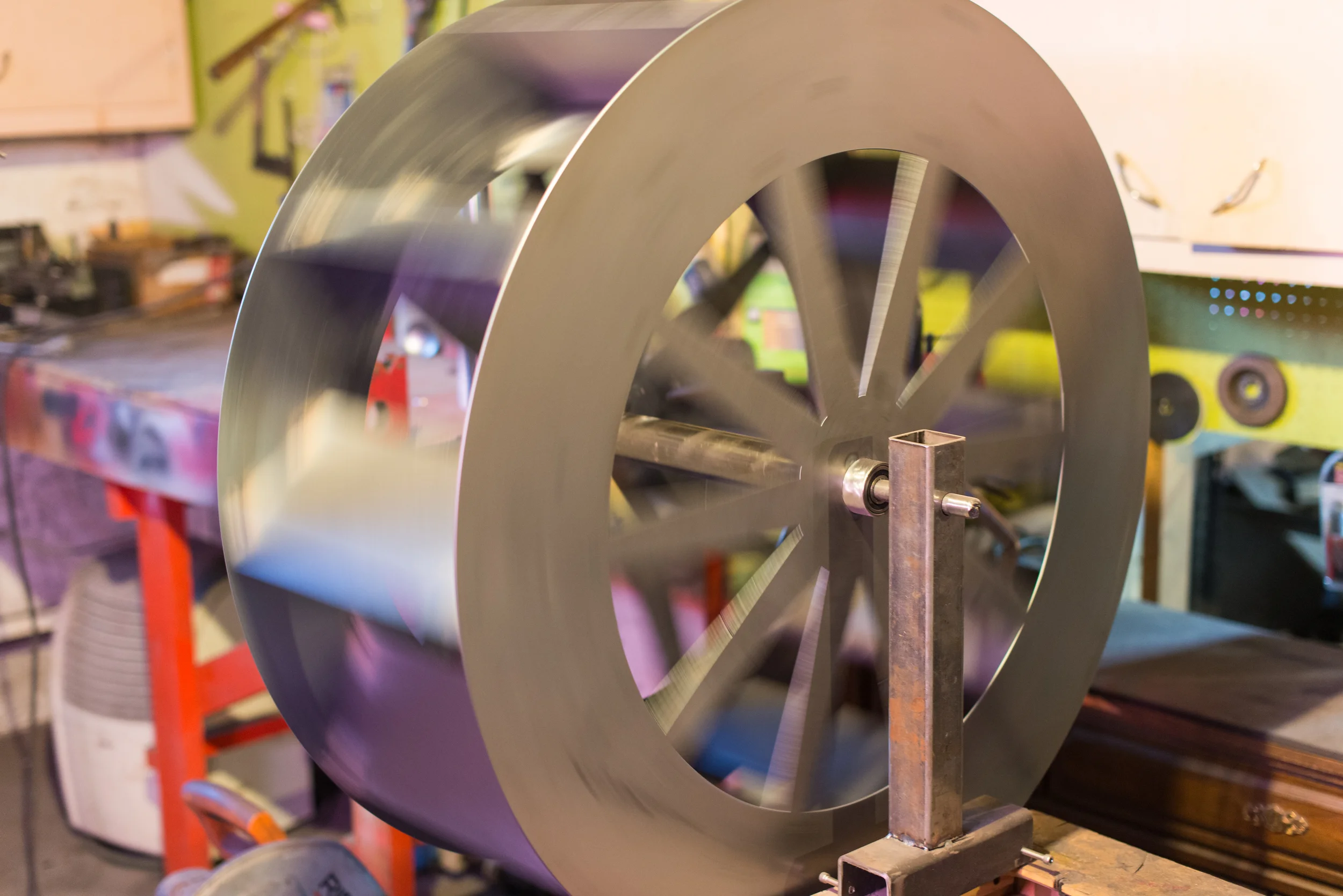
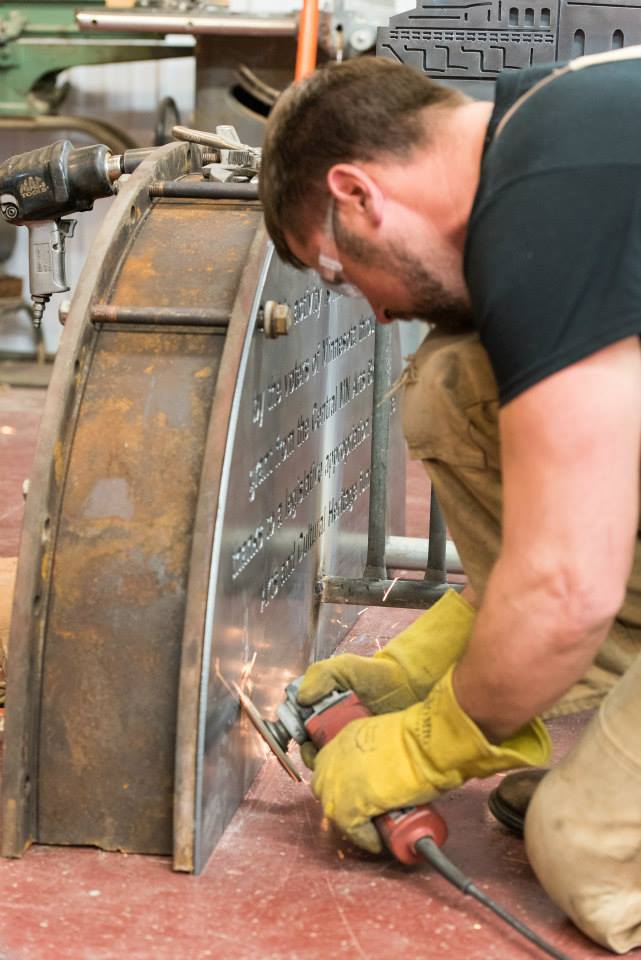
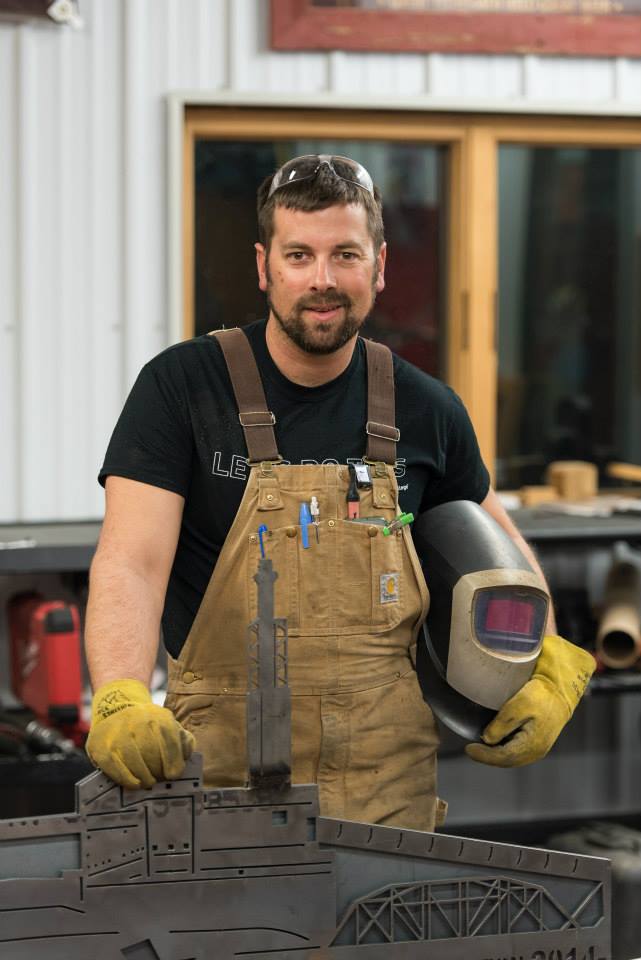
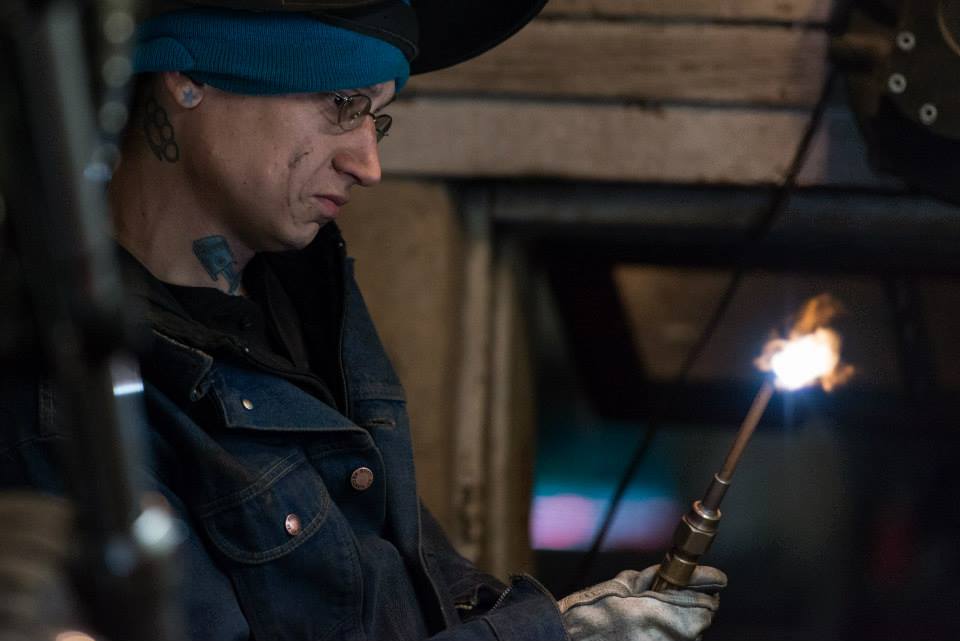
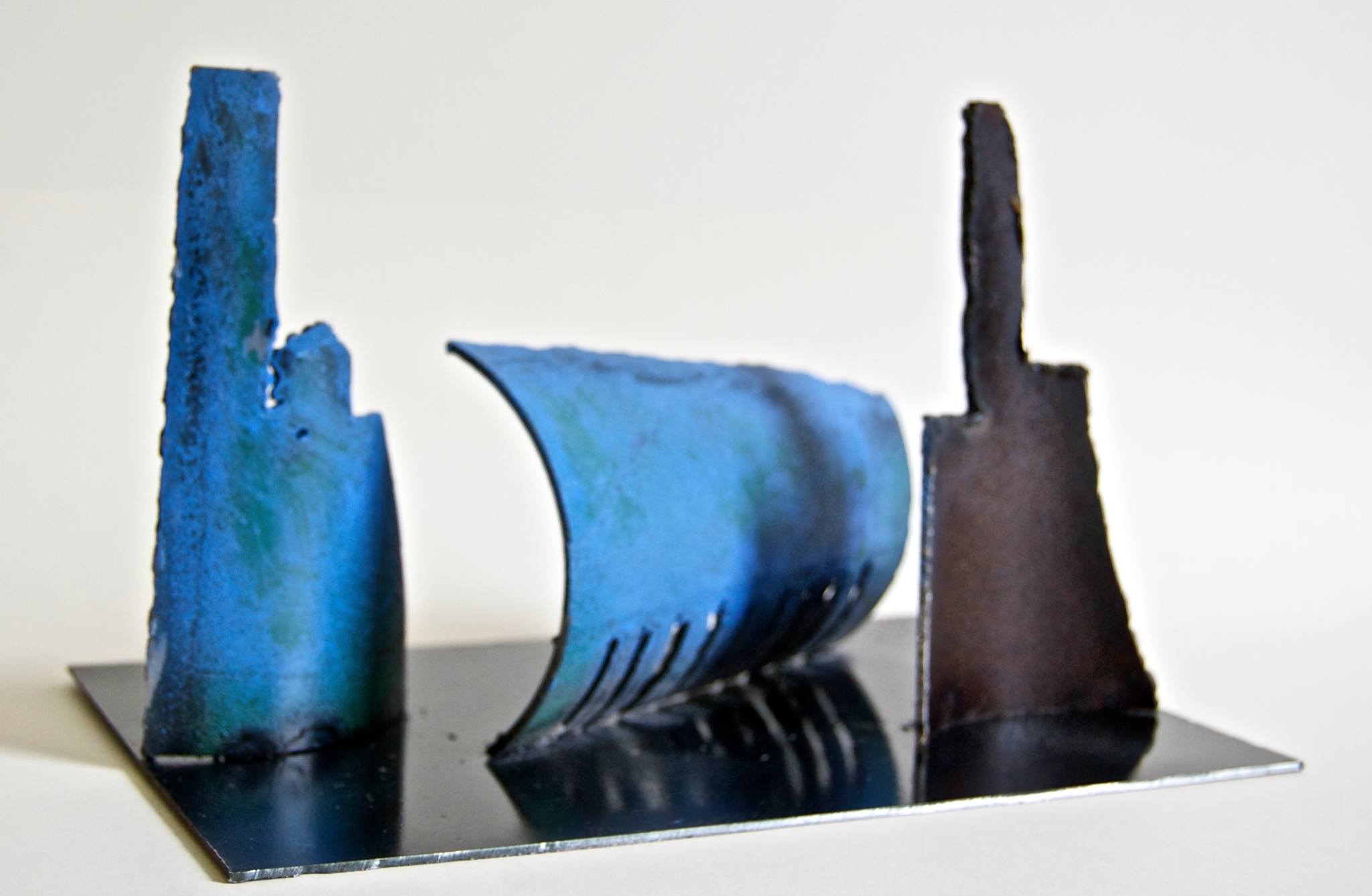
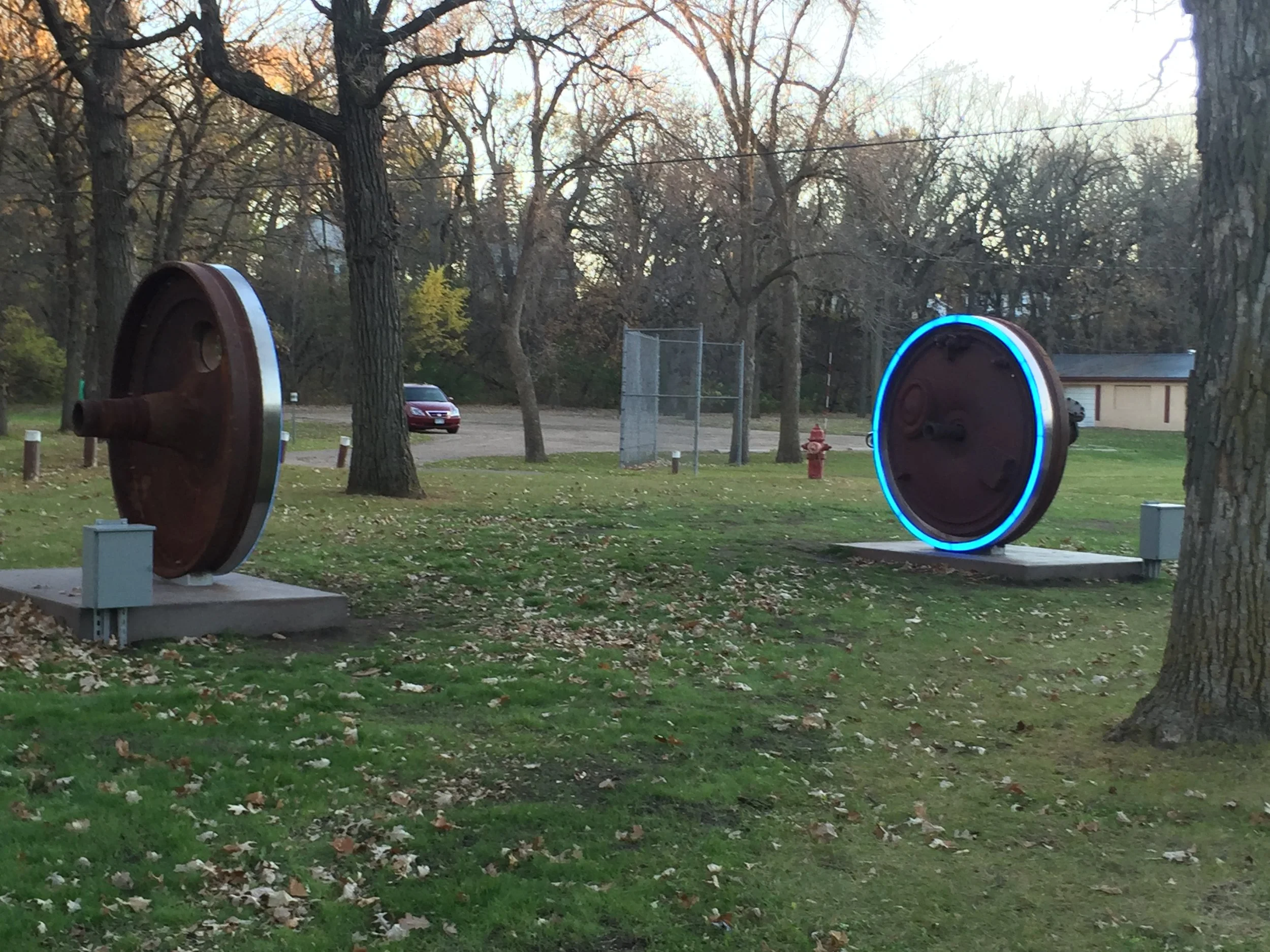
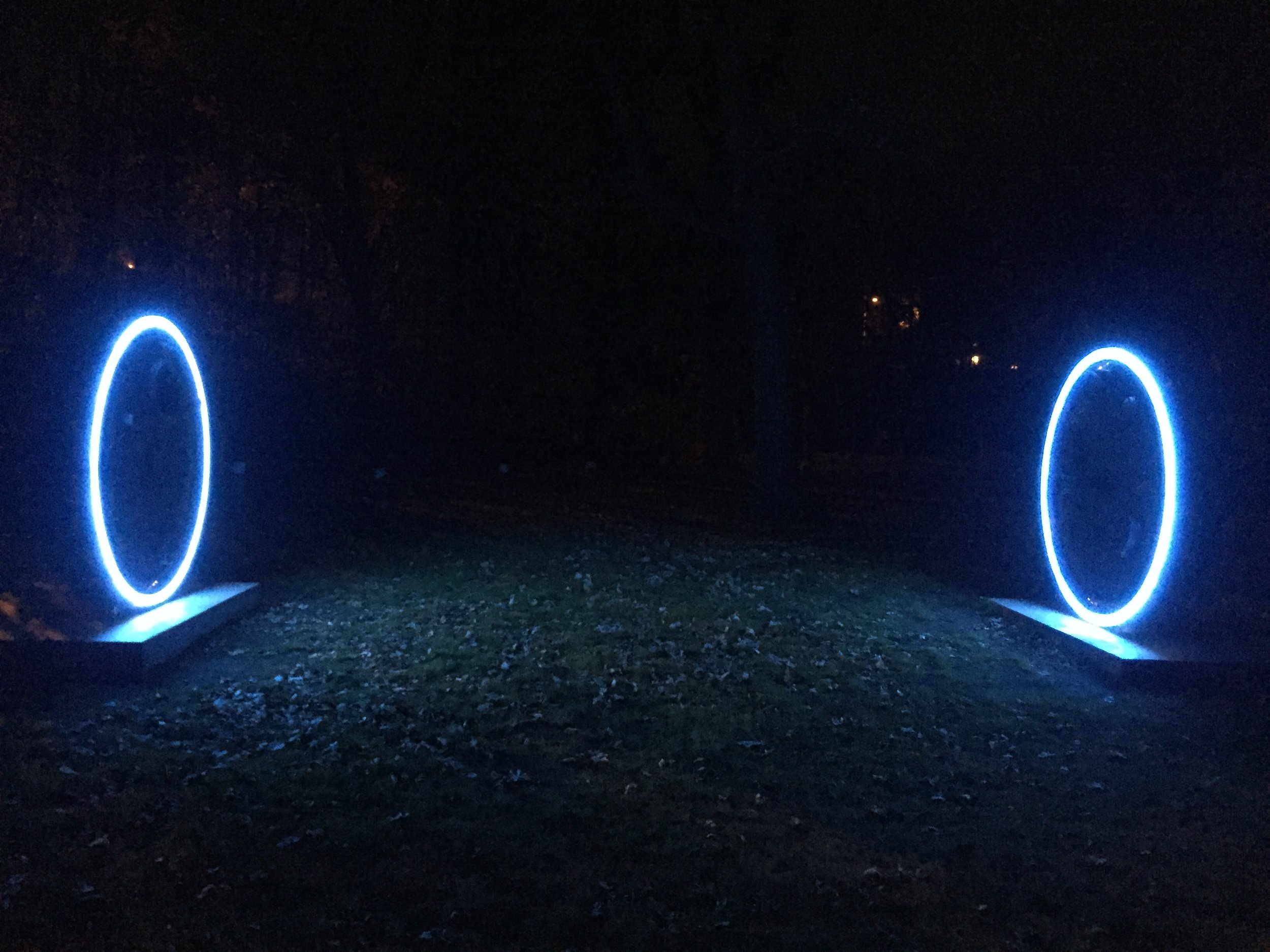
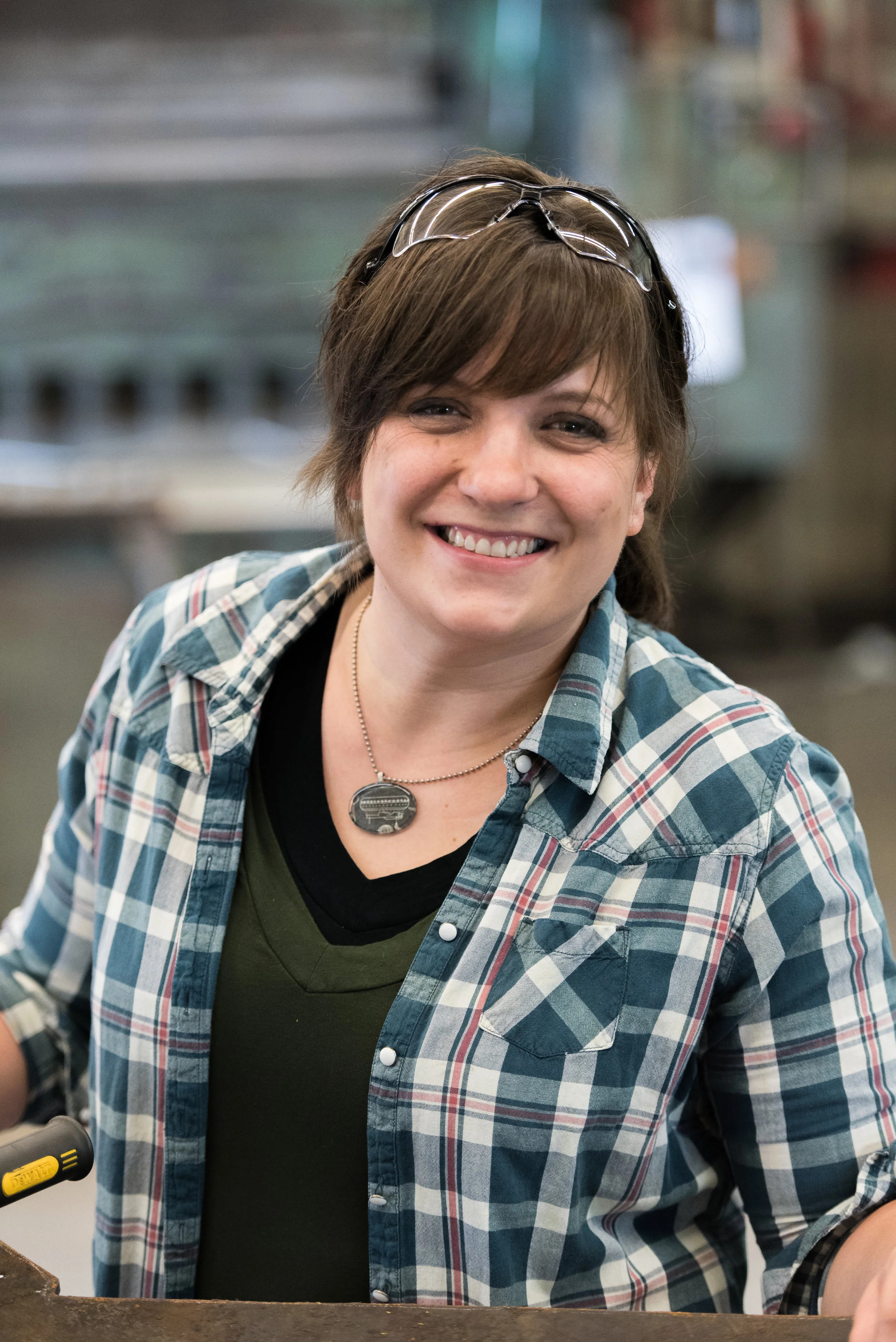
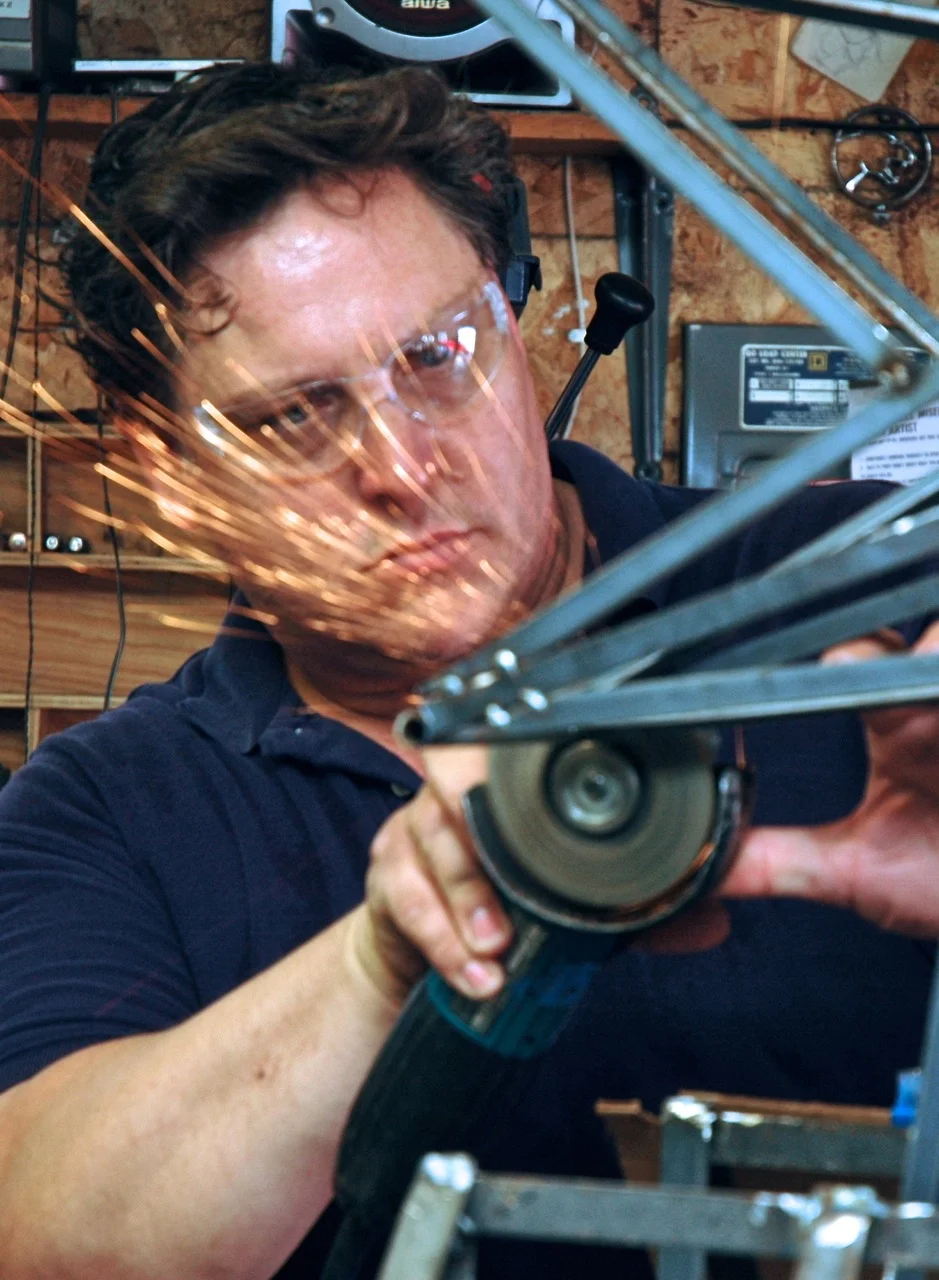
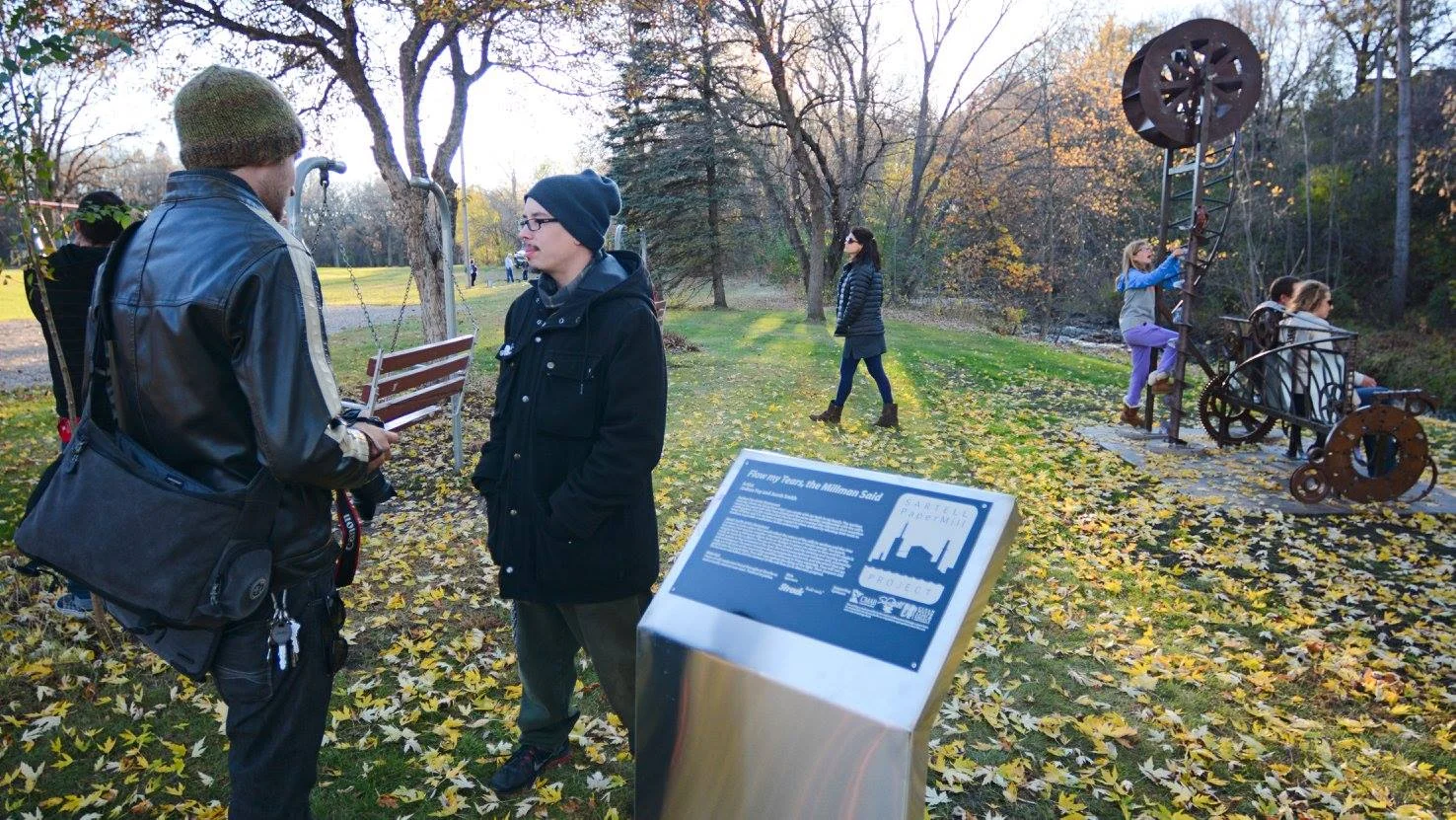
Artistic lead Heidi Jeub assembled a multidisciplinary team to bring the vision to life: public sculptor Kyle Fokken, painters Christopher Zlatic and Joshua Fay, community leader and welder Joe Schulte, fabricators Bob Craven and Jacob Smith, and photographers Todd Myra and Bill Jones, who documented the entire process. Together, they transformed salvaged mill materials into sculptural and painted works that now stand permanently installed at Watab Park, Val Smith Park, and near Sartell City Hall.
The project drew support from across the community — the City of Sartell, Xcel Energy, the American Legion, retired firefighters, former mill worker alumni, and many individual donors — reflecting just how broadly the town rallied around the effort. What began as an act of mourning became something larger: a collaboration between artists, tradespeople, civic organizations, and ordinary residents united by a shared sense of loss and pride.
The result is public art that doesn't just decorate a space — it marks what was lost, celebrates who built it, and ensures that the mill's story remains part of Sartell for generations to come.

Artists, Process, Installation